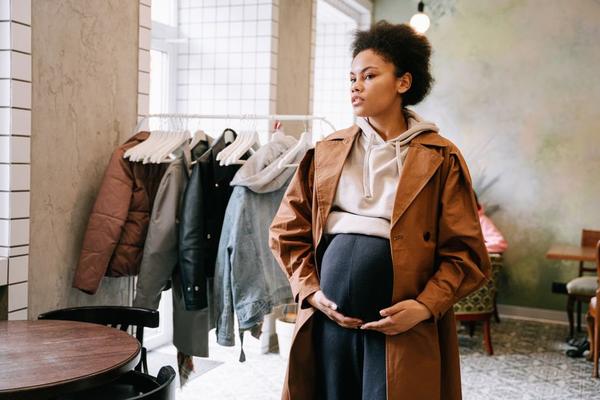
Maternity style in 2026 is less about dressing around pregnancy and more about keeping your identity visible while your proportions change. The strongest looks do not rely on oversized basics or a completely separate wardrobe. Instead, they combine adaptable shapes, tactile fabrics and confident styling that can work before, during and after pregnancy. That shift makes the maternity fashion trends 2026 feel practical as well as personal: clothes are expected to move, layer and earn their place beyond a single trimester.
The New Mood: Comfort Without Disappearing
Pregnancy fashion 2026 is moving away from the idea that comfort must look casual or shapeless. Soft tailoring, draping, expressive knitwear and relaxed proportions all translate naturally to maternity dressing. The result is a wardrobe that feels polished but never rigid.
The key is choosing comfort with intention. A loose dress can still have an interesting neckline. A stretchy trouser can still be sharply cut through the leg. A cardigan can add colour and texture rather than acting as a cover-up. A useful maternity style guide protects ease while keeping the details that make an outfit feel like yours.
Soft Tailoring Replaces Stiff Officewear
Relaxed blazers, collarless jackets and fluid trousers are becoming the maternity answer to traditional workwear. Look for unstructured shoulders, open fronts and fabrics with enough give to sit comfortably as the bump grows. A blazer does not need to fasten to look finished; worn open over a fitted jersey top or dress, it creates clean vertical lines and adds authority without pressure around the waist.
For a realistic workweek formula, try one stretch midi dress, one open blazer and two pairs of adjustable trousers. Change the shoes, jewellery and base layer, and the same pieces can cover meetings, commuting and dinner. Repetition is smart wardrobe planning when fit can change quickly.
Draped Dresses Feel Modern, Not Maternity-Coded
Draping is one of the most useful design directions of the year because it creates shape without demanding a fixed waistline. Side ruching, asymmetric seams, wrap-inspired fronts and gathered jersey allow fabric to respond to the body instead of fighting it. These details also make dresses easier to wear after pregnancy, when the body continues changing.
Rather than buying only plain bodycon styles, look for sculptural sleeves, a softly twisted neckline or a diagonal hem. The best trendy maternity clothes use visual interest beyond the waist, making the outfit feel considered. A draped midi dress with flat slingbacks works for daytime, while a metallic earring and low block heel can take the same piece to an event.
Knitwear Becomes More Expressive
Knitwear remains central, but 2026 versions are more styled than basic. Ribbed co-ords, soft polo knits, zip cardigans and fine-gauge dresses offer stretch while still looking structured. Separate pieces are most useful because the skirt or trousers can be paired with a longer shirt when desired.
Choose knits that recover after wear rather than becoming loose at the knees or elbows. Softness matters, but breathability and washability are just as important. Cotton-rich, modal and lightweight wool blends can provide comfort across changing temperatures. A cardigan that can be worn open, buttoned at the top or draped over the shoulders will usually work harder than a fixed-shape jumper.
Volume Moves to the Trouser Leg
Wide-leg, barrel and softly tapered trousers are a welcome change from the assumption that maternity bottoms must be skinny. Volume through the leg balances the bump and creates a contemporary silhouette. The waistband is where function matters: under-bump bands, soft over-bump panels and adjustable side tabs suit different bodies and stages, so there is no single “correct” design.
Test trousers while sitting as well as standing. A waistband that feels fine in a fitting room may press uncomfortably after an hour at a desk or in a car. Pair fuller trousers with a closer-fitting top, a cropped jacket that ends above the bump, or a shirt worn open over a simple base layer.
Colour Returns as a Style Shortcut
Neutrals remain useful, but 2026 maternity dressing is not limited to beige, black and navy. Butter yellow, clear red, cobalt and fresh green can make simple silhouettes feel current. Colour works especially well when complicated styling feels unrealistic.
A monochrome outfit is an easy place to start. A red knit dress with a tonal cardigan, or blue trousers with a matching shirt, creates impact without requiring multiple prints or accessories. Anyone who prefers quieter clothes can use one brighter layer or bag against a familiar neutral base.
Buying Less, but Buying for More Stages
The most meaningful trend is the move toward crossover clothing. Stretch dresses, button-front shirts, elasticated skirts and oversized outerwear can often be worn beyond pregnancy. Purpose-made pieces remain valuable, particularly bras, jeans and supportive leggings, but there is little need to replace every category.
Before buying, ask three questions: Will this adjust as my body changes? Can I style it with at least three things I own? Would I wear it after pregnancy? These filters help prevent a collection of short-lived purchases. For deeper planning, natural next reads include maternity capsule wardrobe ideas, how to choose maternity jeans and postpartum outfit essentials.
Occasionwear Becomes Lighter and More Individual
For weddings, celebrations and formal events, the direction is fluid rather than heavily constructed. Column dresses in stretch fabric, cape details, softly pleated maxis and asymmetric necklines provide movement and presence. Breathable linings and stable shoes matter more than elaborate shaping.
Do not wait until the final week to test an event outfit. Try it on with the exact underwear and shoes, then sit, walk and raise your arms. A ten-minute home test can reveal more than a quick mirror check.
Frequently Asked Questions
When should I start wearing maternity clothes?
There is no fixed week. Start when ordinary waistbands, bras or fitted tops stop feeling comfortable. Some people need maternity pieces early, while others use relaxed non-maternity clothes for much longer.
Which maternity pieces are worth buying first?
A supportive bra, one reliable pair of trousers or jeans, a stretch dress and comfortable base layers usually provide the strongest starting point. Build slowly according to your routine and season.
Can I wear non-maternity clothes during pregnancy?
Yes. Button-front shirts, knit dresses, wrap styles, elasticated skirts and oversized jackets can work well if they do not restrict movement or create pressure. Fit and comfort matter more than the label.
How can I make maternity outfits look more current?
Use one directional element at a time, such as a wide-leg trouser, sculptural cardigan, strong colour or asymmetric dress. Keep the rest simple so the outfit feels modern rather than overworked.
Style That Still Feels Like You
The best maternity fashion trends 2026 are not rules for hiding or highlighting a bump. They are tools for staying connected to your own taste. Soft tailoring, adaptable knits, fluid dresses, fuller trousers and expressive colour offer room to change without giving up personality. Choose pieces that support the life you are actually living, repeat the combinations that make mornings easier, and let comfort sharpen your style rather than erase it.