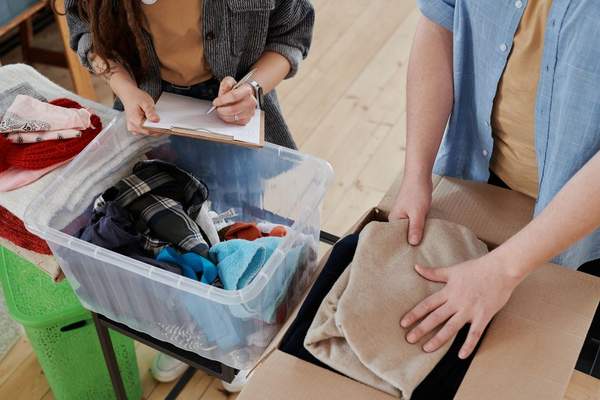
A bag of unwanted clothes disappears into a shop collection box. A discount voucher appears in your inbox. But what actually happens to those garments? Clothing take-back programs make clearing out a wardrobe convenient, yet a drop-off is not the same as a guaranteed environmental benefit. The useful question is what a scheme can demonstrate about the journey after collection.
Some programs help clothes find another wearer. Others send textiles for recycling, where outcomes vary. Knowing the difference helps you choose a sensible route for each item rather than assuming every donation bag is a sustainability success.
How Clothing Take-Back Programs Work
A clothing take back scheme invites customers to return used garments through stores, collection points or postal services. It may accept only the brand’s products or clothing from multiple labels. Some offer vouchers or loyalty points; others simply provide a collection service.
Collected items generally move to a sorting partner. Their condition, composition and potential use are assessed. Wearable pieces may enter secondhand markets, damaged textiles may be recovered as materials, and unsuitable items may require disposal. The proportions depend on the program and available infrastructure.
A brand reporting how much it collected has not necessarily shown how much was actually reused or recycled.
What Happens to the Clothes?
Reuse and resale
Wearable clothing might be cleaned, graded and resold or supplied to charity and secondhand outlets. Extending its useful life can be valuable, particularly when its next owner chooses it instead of buying new. But donation alone does not prove that an item was worn again.
Some collected textiles are exported. The European Environment Agency has highlighted uncertainty about the final destinations of used clothing exported from Europe. Ask where reusable garments go, not merely whether they are called ‘reused’.
Recycling into other materials
Garment recycling programs may mechanically shred fabrics into fibres or send suitable textiles through specialised recycling processes. Recovered material can become wiping cloths, stuffing, insulation or sometimes new textile fibres.
Turning a shirt into industrial filling is different from turning it into another shirt. Only the latter is textile-to-textile recycling. Blended fabrics, elastane, coatings and trims complicate fibre recovery, so promises that every collected garment becomes new clothing deserve scrutiny.
Items that cannot be recovered
Wet, mouldy or heavily contaminated clothing may be rejected, and some materials have no practical recycling outlet. Depending on location, residual waste can be incinerated or landfilled. A transparent scheme acknowledges these limitations rather than implying that collection eliminates waste.
Questions to Ask Before Using a Take-Back Scheme
What items are accepted?
Check rules for shoes, underwear, torn garments, mixed fibres and clothing from other brands. Most programs also specify how to prepare donations. Keep textiles dry and follow bagging instructions to avoid damaging otherwise usable items.
Who handles the collection?
Look for the name of a sorting or processing partner, where it operates and how it handles reusable and non-reusable items. An unnamed promise to ‘give clothes a new life’ provides little accountability.
Are actual outcomes reported?
Useful reporting separates collected quantities from garments reused, fibres recycled into clothing, material recycled into other products and waste disposed of. Percentages need a clear reporting period and denominator. A pilot project’s results should not be presented as results from an entire brand network.
Is there evidence for the claims?
Public impact reports, independent assessments and clearly explained tracking methods are more informative than slogans. A certificate or partner logo alone does not establish the fate of every garment. Check whether evidence supports the particular claim being made.
What happens to exported textiles?
Overseas resale can provide useful clothing, but it also raises questions about demand and management of unsold items. Ask whether downstream partners can handle rejects responsibly rather than transferring the problem to another community.
Does the reward push unnecessary purchases?
Some brand take back offers provide discounts on future purchases. Check expiry dates and spending requirements. Buying an unneeded item to redeem a voucher can undermine the benefit of giving an existing one another life.
Match the Disposal Route to the Garment
Imagine sorting three items: a clean jacket, a T-shirt with a loose seam and a worn synthetic-blend top. Sending all three to the same collection box is easy, but they may need different routes.
The jacket could be sold, swapped or given directly to someone who wants it. Repairing the seam could keep the T-shirt in regular use; clothing care and repair guidance may help. For the worn top, investigate a local textile collection service or a brand program that explicitly accepts its condition and fibre mix.
Before replacing anything, consider whether an alteration or different outfit combination would extend its usefulness. When you genuinely need another garment, a guide to buying secondhand clothing can help reduce demand for new production.
Signs of a More Credible Program
Look for clear acceptance criteria, named partners, a preference for viable reuse and reports that distinguish different recycling outcomes. Credible programs recognise sorting losses and difficult-to-process materials. They do not rely on broad claims such as ‘zero waste’ or ‘fully circular’ without explaining their scope.
Fabric composition can also shape the outcome. A sustainable fabric guide can help explain why fibres and finishes affect recovery options. Even a well-run take-back system cannot cancel out the impact of producing and purchasing more clothing than people use.
Frequently Asked Questions
Are clothing take-back programs the same as textile recycling?
No. A take-back scheme collects clothing; recycling is only one possible destination. Garments may instead be resold, given another use or disposed of after sorting.
Can damaged clothes go into a collection box?
Sometimes. Some programs accept clean, dry textiles that are no longer wearable, while others focus on reusable clothing. Check the current rules before depositing torn or stained items.
Does a voucher mean a program is sustainable?
No. A voucher describes the customer incentive, not the environmental result. Judge the scheme by the evidence of what happens after collection, and avoid shopping simply to use the reward.
Is direct donation better than brand collection?
For wearable garments, giving or selling directly to someone who will use them provides a clearer path to reuse. For unusable textiles, a suitable collection and processing service may be more practical.
The Bottom Line
Clothing take-back programs can help keep textiles out of ordinary bins, but collection is only the beginning. Ask who sorts garments, what share finds another wearer, what recycling actually produces and what happens to rejects. Keep and repair clothes first, seek direct reuse where possible, and favour programs that disclose results rather than merely advertise good intentions.