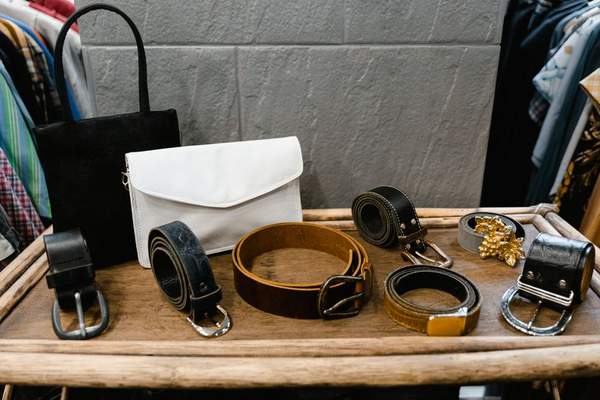
The same dress can look completely different with a wide belt or a skinny belt. One creates a strong, defined middle; the other adds a quiet line that lets the fabric do the talking. Neither is automatically more flattering. The useful question in a wide belt vs skinny belt comparison is what you want the outfit to do: add structure, preserve movement, adjust proportions, or simply hold something in place.
Start with the garment, then consider where the belt sits and how comfortable it feels when you move. That approach is more reliable than choosing width by body type alone.
Wide Belt vs Skinny Belt: The Quick Difference
A wide belt draws attention to the waist and becomes a visible feature of the outfit. It can gather a loose dress, interrupt a long column of fabric, or define a roomy layer. Because it covers more space, its stiffness also affects how the garment falls.
A skinny belt creates a finer dividing line. It suggests a waist without dramatically reshaping the clothing, making it useful with delicate dresses, tailored trousers, and outfits that already have definition. For an understated finish, skinny belt styling is often the easier choice.
Think of width as a visual volume control: a broad, contrasting strap makes the waist a focal point, while a narrow, tonal strap keeps the outfit visually continuous.
What Belt Width Does to Your Proportions
Consider torso length, not just height
Waist proportions depend partly on the space between your ribcage and hips, not simply overall height. A wide belt worn high can occupy much of a shorter torso, especially near the lower ribs. A narrow belt leaves more fabric visible above and below it.
On a longer torso, a broad band can create a more pronounced break. These are visual effects, not restrictions: a petite person may love a dramatic belt, and a tall person may prefer a delicate one.
Placement can matter more than width
Move the belt a little before deciding it is wrong. At the natural waist, it often defines the middle. Slightly lower, it may look more relaxed; slightly higher, it can alter the perceived balance between torso and legs. Check the side view, too, where fabric may bunch unexpectedly.
Which Belt Works Better with Dresses?
For an airy shirt dress, wide belt styling can turn a straight silhouette into a deliberately shaped outfit. Imagine a loose cotton midi dress with full sleeves: a soft, moderately wide leather belt gathers the extra fabric. A rigid belt, however, may create bulky folds above its top edge.
Now picture a lightweight floral dress with fine details. A skinny belt echoes that delicacy without competing with the print. It is useful when the dress has a waist seam you do not want to cover.
For a fitted or bias-cut dress, first ask whether a belt improves the original line. Sometimes wearing no belt at all looks better. When styling shirt dresses, compare the garment loose, lightly cinched, and firmly defined.
What About Jeans and Tailored Trousers?
With trousers, function comes first. A belt should pass through the loops without folding or forcing the waistband out of shape. Skinny belts fit many loops but can look visually slight against heavy denim. Wider casual belts often balance sturdy jeans, provided the loops accommodate them.
With tailored trousers, a narrow belt usually sits neatly beneath a tucked shirt or jacket. With high-rise jeans and a tucked T-shirt, choose by effect: a small buckle for restraint, or a wider strap for a stronger casual accent. Measure the loops rather than trusting labels; even a useful belt width guide cannot override the garment’s construction.
Choosing a Belt for Blazers, Cardigans, and Coats
Belting outer layers means managing extra fabric. Over a long cardigan or unstructured blazer, a wide belt can hold volume in place and create a shaped silhouette. Position it where the garment naturally gathers instead of pulling tightly enough to distort lapels or pockets.
A skinny belt over a blazer is subtler, letting the jacket’s cut remain visible. Over a thick winter coat, though, a very narrow strap may dig into the fabric or disappear visually. A broader, softer option often reads more clearly over substantial material.
Before leaving home, raise your arms and sit down. An attractive layered outfit should still move with you.
Comfort, Material, and Colour Change the Result
A wide belt spreads pressure across a larger area, but its stiff edges may press against ribs or hips when seated. A skinny belt feels lighter to some wearers, yet a tight narrow strap can concentrate pressure. Neither should be used to force an ill-fitting garment into shape.
Supple leather, woven fabric, and adjustable designs can move more easily than rigid belts. Check the buckle, usable holes, and whether the strap shifts as you walk. A comfortable fit allows natural breathing and ordinary movement.
Colour matters as much as width. A black belt against a white dress makes a strong horizontal break; a similarly coloured belt creates a gentler transition. To wear a wide belt without making it the star, match the garment. To emphasise a skinny belt, try contrasting colour or distinctive hardware.
A Three-Outfit Test Before You Buy
Try each belt with three pieces you already wear: a dress, trousers, and an outer layer. Photograph each combination from the front and side. Does the belt create awkward folds, crowd your waist, or make the look feel intentionally finished?
Then sit, walk, and bend. A belt that looks good only when you stand still is not especially versatile. Consider how frequently it works with your wardrobe: a skinny belt may be an everyday staple, while a wide one transforms a few specific outfits. Both can earn their place among practical fashion accessories.
Frequently Asked Questions
Is a wide belt more flattering than a skinny belt?
Not universally. A wide belt creates more visible waist definition, while a skinny belt offers a lighter accent. Garment volume, placement, comfort, and personal preference matter more than any single rule.
Can someone with a short torso wear a wide belt?
Absolutely. Try a softer belt, position it where it feels natural, or match its colour to your clothes for a less pronounced visual break.
Are skinny belts suitable for jeans?
Yes, provided the loops fit and the belt securely holds the waistband when needed. They can give denim a particularly refined finish.
Should a belt match shoes or a handbag?
Exact matching is optional. Repeating a colour or metal finish can create cohesion, but intentional contrast can work just as well.
The Best Width Is the One That Serves the Outfit
Choose a wide belt for visible shape and a strong focal point. Choose a skinny belt when the garment already has structure or you want a discreet finishing detail. Fabric, waist placement, belt loops, and comfort will tell you more than rigid body-shape rules ever could.