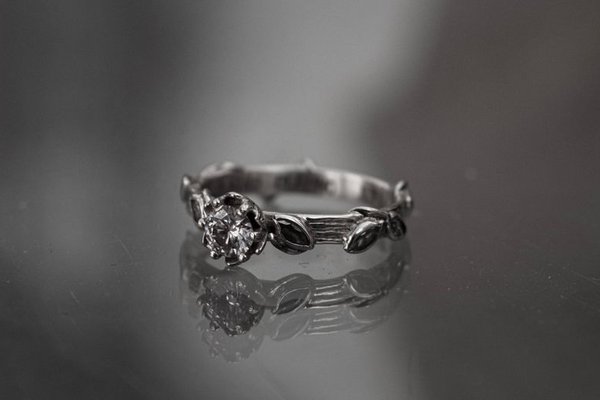
That silver necklace looked bright when you put it away. A few weeks later, the chain has a grey cast and the clasp looks almost black. Nothing mysterious has happened: sterling silver naturally reacts with its surroundings. The good news is that most everyday dullness is manageable. Effective sterling silver jewelry care comes down to knowing when to wipe, when to wash, when to polish, and how to store each piece between wears.
Why Sterling Silver Tarnishes
Sterling silver contains 92.5% silver, usually alloyed with copper for added strength. You may see it stamped “925.” It is durable enough for regular jewelry, but it is not immune to discoloration. Sulfur-containing gases in the environment react with the surface to form silver sulfide, the main component of silver tarnish. A thin film can look yellowish before developing into brown, grey, or black areas.
Humidity can accelerate this process, while contact with cosmetics, skin oils, perspiration, and household products can leave additional residues. Tarnish is not the same as dirt, and it does not automatically mean your jewelry is poor quality or fake. Even well-made sterling silver needs occasional attention. The more useful goal is slowing tarnish, not promising to prevent it forever.
A Simple Routine After Every Wear
The easiest cleaning session is the one you never need. Before returning a plain silver ring, bracelet, or chain to its case, give it a gentle wipe with a clean, dry, soft microfiber cloth. This lifts fingerprints and surface residue before they spend days sitting against the metal. Avoid tissues and rough paper towels, which can leave scratches on a polished finish.
Make jewelry the last thing you put on after applying perfume, lotion, sunscreen, and hair products. Take it off before swimming, exercising, washing dishes, or working with cleaning chemicals. Chlorinated water and chemical cleaners are especially poor companions for silver. Regular wear is fine, but it does not make a piece tarnish-proof.
How to Clean Sterling Silver Safely
Start With Mild Soap and Water
For uncomplicated sterling silver jewelry without delicate stones, glued settings, or intentionally darkened details, lukewarm water and a small amount of mild dish soap are a sensible starting point. Dampen a soft cloth with the solution and gently wipe the metal. If the piece’s construction permits it, rinse away soap residue with clean water. Never force water into a hollow section or an uncertain setting.
Pat the jewelry dry with a lint-free cloth, then let any remaining moisture escape before putting it away. Pay attention to chain links, clasp openings, and the underside of rings. Soap removes oils and grime, but it may not remove established silver tarnish; that is where a suitable silver polishing cloth can help.
Use a Silver Polishing Cloth for Light Tarnish
A cloth made specifically for polishing silver can restore brightness to lightly tarnished, plain pieces. Rub gently, focusing on discolored areas rather than scrubbing the entire object. Follow the cloth manufacturer’s instructions, since many polishing cloths contain treatment compounds and should not be washed.
Polishing is not harmless friction: repeated abrasive cleaning removes tiny amounts of material and can soften decorative details over time. Stop once the appearance is satisfactory. For deeply tarnished, valuable, fragile, or heirloom jewelry, a qualified jeweler is often the safer choice.
Cleaning Mistakes That Can Cause More Damage
Popular household hacks deserve caution. Toothpaste, scouring powders, and stiff brushes can scratch silver. Baking soda pastes can also be abrasive, even when promoted as gentle alternatives. Chemical silver dips and aluminum-foil cleaning methods may affect finishes, stones, and deliberately dark recesses. They are not good universal solutions for every item marked 925.
Be particularly careful with jewelry featuring pearls, opals, turquoise, enamel, glued components, or unknown gemstones. Some materials are porous, moisture-sensitive, or vulnerable to cleaning chemicals. Wipe these pieces according to their specific materials and consult a jeweler before soaking, dipping, or using an ultrasonic cleaner. An oxidized design, with darkened grooves meant to highlight the pattern, should not be polished uniformly bright.
Silver-plated jewelry also needs a different level of restraint: its outer silver layer is much thinner than solid sterling silver and can wear through with repeated polishing. If you are unsure what your piece contains, check its markings and construction before trying stronger products. A guide to jewelry metal types can help explain why those distinctions matter.
Silver Jewelry Storage That Slows Tarnish
Good silver jewelry storage addresses two problems at once: exposure to tarnishing gases and accidental scratches. Keep silver clean and completely dry in a closed jewelry box or individual, suitable polyethylene bags. Anti-tarnish pouches or strips designed for silver may help reduce exposure to sulfur-containing gases, but follow their replacement and use instructions.
Separate necklaces so they do not tangle, and keep rings or bangles from rubbing against harder jewelry. Soft individual compartments are useful, provided the lining is jewelry-safe. Avoid long-term contact with rubber, questionable plastics such as PVC, and materials that may release tarnishing compounds. A dry drawer is generally preferable to a steamy bathroom.
If your favorite chain repeatedly turns dark while sitting on an open dresser, change the storage location before buying stronger cleaners. Wipe it dry, place it in its own protective pouch, and keep the pouch closed between wears. For a small collection, thoughtful jewelry box organization can make that habit effortless.
When to Seek Professional Help
Home cleaning has limits. Ask a reputable jeweler to inspect a piece if stones move, prongs catch on fabric, a clasp feels loose, or dark marks remain after careful cleaning. Professional attention is also worthwhile for antique pieces, sentimental jewelry, elaborate settings, and finishes you cannot identify. Cleaning should never come at the cost of damaging the object you want to preserve.
Frequently Asked Questions
How often should I clean sterling silver jewelry?
Wipe frequently worn pieces after use. Wash plain, water-safe silver only when oils or visible dirt build up, and polish when tarnish actually needs removal. There is no universal weekly polishing schedule; unnecessary polishing creates extra wear.
Can I wear sterling silver jewelry in the shower?
Occasional water contact does not automatically ruin plain sterling silver, but routine showering exposes it to soap residue, moisture, and personal-care products. Removing jewelry first is the more reliable habit, particularly when gemstones or glued parts are involved.
Why does my silver turn black in storage?
Silver can react with sulfur-containing gases even when it is not being worn. Humidity and unsuitable storage materials may speed the change. Keeping each clean, dry piece in a suitable closed container usually helps slow the process.
Is tarnished sterling silver permanently damaged?
Ordinary surface tarnish is often removable, but vigorous cleaning can scratch silver or alter fine details. Persistent discoloration, pitting, or damage around settings calls for professional assessment rather than repeated home treatments.
A Better Long-Term Silver Care Habit
Bright silver is easier to maintain when cleaning is gentle and storage is deliberate. Wipe away daily residue, reserve soap for grime, polish only when needed, and protect pieces from moisture, chemicals, and careless contact with other jewelry. Those modest steps preserve both the shine you notice and the details that make a favorite piece worth keeping.