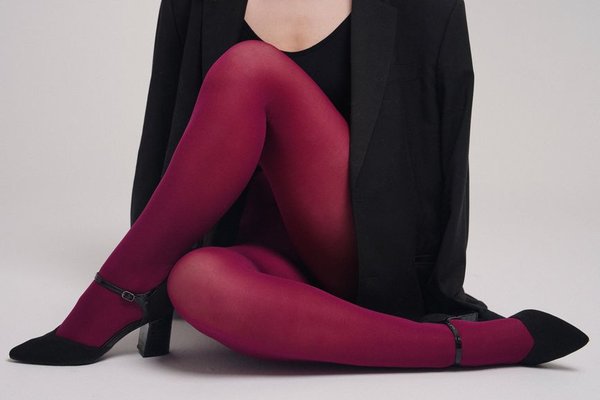
On a cold morning, tights and leggings can look almost interchangeable under a skirt. Step outside, though, and the difference becomes obvious. A fine pair of tights might give your outfit a polished finish while leaving your legs chilly; thicker leggings can feel cosy but change the silhouette. So, in the tights vs leggings for winter debate, which keeps you warmer?
The short answer: thick, insulated leggings usually beat ordinary fashion tights for warmth. However, thermal or wool-blend tights can outperform thin leggings, particularly when paired with boots and a longer coat. The label matters less than the fabric, construction and amount of skin left exposed.
The Quick Verdict: Which Should You Choose?
Choose leggings when maximum warmth, comfort and freedom of movement come first. Fleece-lined or substantial knit leggings are particularly useful for outdoor errands, commuting and casual dresses. They generally cover your legs with more insulating fabric than everyday hosiery.
Choose tights when you want continuous coverage from waist to toe, a smoother look beneath a dress or a less bulky layer inside fitted clothing. For winter, look for opaque thermal or wool-blend styles rather than relying on sheer tights. The warmest winter tights are designed around insulation, not simply a dark colour.
Why One Pair Feels Warmer Than Another
Clothing helps slow the loss of body heat by holding relatively still air close to your skin. Fabric thickness, knit structure and layering all influence that effect. Wind, dampness and how long you remain outside can change the result. Neither tights nor leggings produces heat on its own.
Thickness Matters, but Denier Has Limits
Traditional tights are often labelled by denier, a measurement of yarn weight. Lower numbers usually mean a finer, sheerer appearance; higher numbers often indicate greater coverage. Yet denier is not a temperature rating. Two pairs marked with the same number can differ in warmth because of their fibres, knit and lining.
Fibre and Moisture Management Count
Wool blends can provide useful insulation, while well-designed polyester or nylon thermal fabrics may wick perspiration and dry comparatively quickly. Cotton-rich everyday leggings can feel soft indoors but may stay damp after sweating or getting wet. If your walk to work involves brisk movement, consider how the fabric handles moisture as well as cold.
Fit and Wind Exposure Change Everything
A close fit reduces bunching beneath clothes, but stretched-out fabric can become thinner across the thighs and knees. Meanwhile, most everyday tights and leggings are not windproof. A knee-length coat, boots and a longer skirt can improve comfort more than switching between two similarly thin pairs.
Where Winter Tights Have the Advantage
Tights cover your feet as well as your legs, so there is no exposed strip of ankle between your hem and shoes. They also sit neatly under tailored skirts and dresses without the thicker ankle cuffs that some leggings have. For office outfits, this often makes them the more practical choice.
If hosiery terminology feels confusing, a guide to tights denier and opacity can help you separate appearance from actual winter suitability.
Where Leggings Pull Ahead
Leggings usually offer a thicker, more substantial layer around the legs. Some have a brushed or fleece-backed interior that feels warmer against the skin, while others are essentially lightweight exercise wear. It is the construction, not the word “leggings,” that makes the difference.
The weak spot is the ankle. Cropped leggings or a gap above low shoes can leave skin exposed. Full-length leggings with warm socks and boots solve that problem better than a thick pair worn with bare ankles.
Leggings vs Tights in Real Winter Outfits
For a Dress and an Office Commute
Suppose you have a 15-minute walk to the station, followed by a heated office. Opaque thermal tights under a midi skirt, with knee-high boots and a coat, may strike the best balance. You get a tidy look and continuous coverage without feeling heavily layered at your desk.
For Walking the Dog or Running Errands
Choose insulating leggings under a long coat, paired with socks and weather-appropriate footwear. Movement helps you feel warmer, but gusts of wind can cut through thin activewear. A thicker or wind-resistant outer layer matters on especially exposed routes.
For a Dressy Evening Out
Wool-blend or fleece-lined tights can retain the streamlined look of hosiery while offering more warmth than sheer alternatives. If your outfit requires a sheer appearance, remember that some so-called translucent thermal tights use a flesh-toned lining; inspect the actual fabric and fit before buying.
For Long Periods Outdoors
Neither ordinary tights nor fashion leggings is an ideal substitute for proper thermal base layers in sustained freezing conditions. Consider moisture-managing thermal bottoms, insulated outer clothing and weather-appropriate footwear. Staying dry and blocking wind becomes increasingly important.
How to Buy Cold Weather Legwear Without Guesswork
Start with your routine. Are you walking outside for five minutes or waiting at a bus stop for half an hour? Is your outfit mainly for indoor wear, or will you be exposed to rain and wind? The answer should guide your choice more than a product photograph.
Next, inspect the fabric description and care label. Look for an insulating construction, check whether the lining extends all the way down the legs, and pay attention to sizing. Too-small tights can become overstretched; loose leggings may bunch awkwardly under boots.
Finally, test the entire outfit at home. Sit, bend your knees and walk around in your chosen shoes. Check for a waistband that rolls, tights that turn see-through when stretched and cuffs that leave a cold gap. If you frequently wear skirts, a winter skirt-and-boot layering guide is another useful reference; for casual outfits, look at styling leggings with boots.
Frequently Asked Questions
Are 100-denier tights warmer than leggings?
Not necessarily. They will usually offer more coverage than very sheer tights, but denier does not directly measure insulation. Thick fleece-lined leggings may be warmer, while thermal tights could beat thin jersey leggings.
Can you wear leggings instead of tights under a dress?
Yes, particularly with casual or relaxed dresses. Full-length leggings work well with boots, but their cuffs and thicker fabric create a different look from footed tights.
Are fleece-lined tights good for freezing weather?
They can provide noticeably more insulation than regular hosiery, especially under a coat and with warm footwear. For prolonged exposure to freezing wind or wet conditions, use a more protective layering system.
Should you wear tights and leggings together?
You can, but comfort and fit matter. A smooth, lightweight pair of tights under roomier leggings can add a layer; doubling two very tight garments may feel restrictive. Avoid relying on extra layers if they make your shoes or waistband uncomfortably tight.
Final Verdict
For pure everyday warmth, substantial thermal leggings generally win over standard tights. For dresses, smart outfits and complete foot coverage, properly insulated tights can be the better solution. Compare the actual fabric and lining, then consider your coat, shoes, activity and time outdoors. The warmest option is the one that works as part of your whole winter outfit, not the one with the most impressive label.