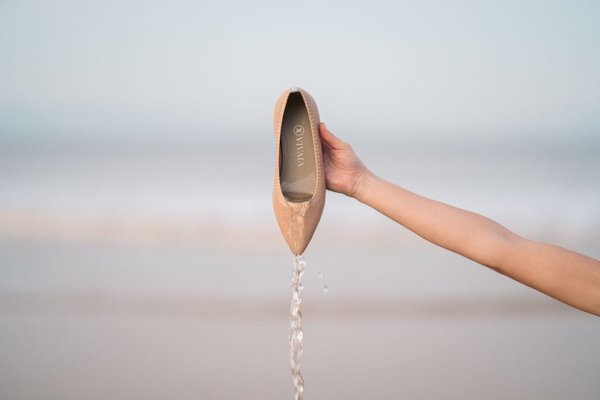
Finding sustainable shoe brands used to mean choosing between a worthy mission and a shoe you actually wanted to wear. That gap has narrowed. In 2026, the more useful comparison is not simply “green” versus conventional footwear, but which brands combine lower-impact materials, credible sourcing, durability, and the kind of comfort that keeps a pair in regular rotation.
That last point matters. A shoe made with recycled or renewable materials is not a great environmental choice if it pinches, falls apart quickly, or spends most of its life in a closet. The best eco friendly shoes balance materials with fit, longevity, repairability, and style.
What Makes a Shoe Brand More Sustainable?
No footwear brand is impact-free. Shoes combine uppers, foams, adhesives, linings, rubber, packaging, transport, and often several factories. Better signs include clear material percentages, transparent sourcing, product-level impact information, durable construction, repair or take-back programs, and meaningful information about working conditions. Ethical footwear brands should explain how products are made rather than relying on one headline material.
Sustainable Shoe Brands Worth Comparing in 2026
Allbirds: Best for Soft Everyday Comfort
Allbirds is an easy entry point for shoppers who want casual sustainable sneakers without a dramatic change in feel. Across different styles, the brand uses materials such as merino wool, tree fibre, sugarcane-based components, and organic cotton canvas. It also publishes product footprint information. The lightweight, soft feel suits errands, travel, and casual offices, although shoppers who prefer highly structured shoes may want something firmer.
VEJA: Best for Fashion-Forward Streetwear
VEJA combines recognizable streetwear styling with unusually detailed discussion of materials and emissions. Its range includes organic cotton, Amazonian rubber, recycled synthetics, and leather. The brand’s own emissions information also shows why individual models matter: leather can be a major source of impact, while some alternative-material styles have lower footprints. Compare the exact sneaker, not just the logo.
CARIUMA: Best for Classic Canvas Sneaker Fans
CARIUMA focuses on familiar low-top and skate-inspired silhouettes. Depending on the model, materials include organic cotton canvas, natural rubber, cork, bio-based foam, and recycled plastic components. The brand also supports tree planting in Brazil. Its cushioned cork and bio-foam insoles can feel softer than traditional flat canvas sneakers, while the styling pairs easily with denim, shorts, and relaxed workwear.
Rothy’s: Best for Washable Knit Styles
Rothy’s is known for knit flats, loafers, slip-ons, and casual sneakers made with its recycled-plastic-based signature thread. The brand says its knit-to-shape process creates less than 1% upper-material waste, and it operates a recycling program for worn-out products in supported markets. Machine washability is especially useful for commuters and travellers because easy cleaning can help keep a favorite pair in service longer.
Thousand Fell: Best for Circularity-Minded Minimalists
Thousand Fell designs sneakers around return and recycling. Current styles use materials including corn-waste-derived bio-based alternatives, recycled rubber, recycled polyester laces, and castor-bean-derived components. Its clean, neutral look makes it attractive for people who want one versatile sneaker rather than a conspicuously “eco” design. The circular model is most meaningful if you plan to use the return program at end of life.
Vivobarefoot: Best for Minimalist Footwear and Repairability
Vivobarefoot takes a different approach to comfort. Its shoes are wide, thin, and flexible, with a barefoot-style feel rather than thick cushioning. The ReVivo platform repairs, refurbishes, resells, and, in supported regions, takes back used footwear. That makes longevity a visible part of the brand’s model. It is a strong fit for shoppers who already prefer natural foot movement, but those used to plush sneakers may need time to adjust.
SAOLA: Best for Lightweight Travel-Friendly Sneakers
SAOLA uses a mix of recycled and bio-based materials and says more than 70% of its shoes are made from responsible materials. Examples include recycled PET, recycled EVA, recycled cork, organic cotton, and natural rubber blends. The brand emphasizes lightweight construction, making its casual styles particularly practical for travel, warm-weather wardrobes, and long days when bulky footwear feels unnecessary.
How to Choose the Right Pair for Your Actual Life
Start with the job the shoe needs to do. Imagine you need one pair for a city break involving airports, several miles of walking, restaurants, and a smart-casual dinner. A lightweight Allbirds or SAOLA style may make more sense than the “greenest” shoe on paper if that shoe does not work with your feet or clothes. If you need washable commuter footwear, Rothy’s may be more practical. If repairability matters most, Vivobarefoot deserves a closer look.
Always check the exact model because materials can vary within the same brand. A sustainable fashion materials guide can help when comparing wool, recycled polyester, organic cotton, plant-based alternatives, and leather. Learning how to care for sneakers can also be surprisingly valuable, while a capsule wardrobe approach can reduce the temptation to buy several overlapping pairs.
How to Spot Better Claims and Avoid Greenwashing
Look for specifics. “Made with recycled materials” is less useful than a breakdown of which component is recycled and how much it contains. Product-level carbon data, traceable sourcing, repair services, and take-back schemes are useful signals, but none proves that a shoe has no environmental impact.
Durability and frequency of wear matter too. A well-made pair worn constantly can be a more sensible purchase than several trend-driven pairs used occasionally. The strongest sustainability choice is often the shoe that meets your needs well enough to stay in your wardrobe for years.
Frequently Asked Questions
Are sustainable shoes actually comfortable?
They can be. Sustainability does not determine comfort on its own. Fit, cushioning, toe-box shape, flexibility, weight, and intended use matter more. Allbirds and SAOLA emphasize lightweight comfort, while Vivobarefoot intentionally offers a thinner, more minimalist feel.
Which sustainable shoe brands are good for everyday wear?
Allbirds, VEJA, CARIUMA, Rothy’s, Thousand Fell, and SAOLA all offer casual styles suitable for regular use. The best choice depends on your preferred fit, wardrobe, and how much walking you do. Prioritize a model you can realistically wear several times a week.
Are vegan shoes always more sustainable than leather shoes?
No. Vegan shoes avoid animal-derived leather, but some alternatives depend heavily on fossil-fuel-based plastics. Leather can also carry substantial climate and land-use impacts. Compare the complete material mix, durability, sourcing, and end-of-life options instead of relying on one label.
How can I make sustainable sneakers last longer?
Rotate pairs, follow the maker’s cleaning instructions, air dry rather than using high heat when appropriate, replace insoles or laces before replacing the whole shoe, and use repair or take-back services where available.
A Better Shoe Is One You Will Keep Wearing
The strongest sustainable shoe brands are moving beyond a single recycled fabric or green slogan. They compete on comfort, design, transparency, durability, and what happens after a shoe is worn out. Choose for fit and daily use first, then compare materials, sourcing, repairability, and end-of-life programs. Sustainability is more convincing when the shoe earns a permanent place in your wardrobe instead of becoming another barely worn purchase.