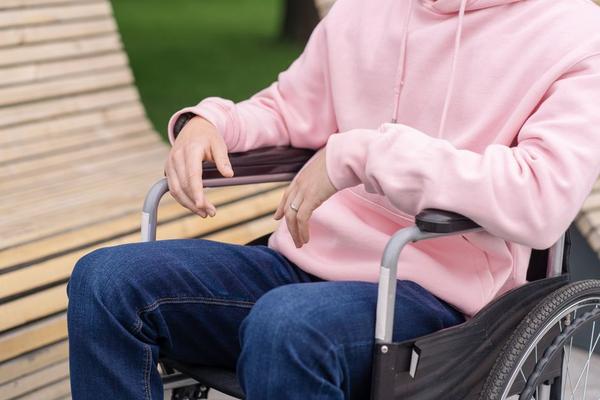
Adaptive clothing is no longer a small corner of fashion filled only with basic medical garments. The strongest adaptive clothing brands now offer denim, work shirts, underwear, outerwear, children’s clothing and footwear that look like everyday fashion while solving specific dressing challenges. The useful question is not simply which brand is “best,” but which design features match the wearer’s body, routine and preferred level of independence.
Some shoppers need magnetic closures because buttons are difficult. Others need seated-fit trousers, flat seams, prosthetic access or clothing that can be changed while lying down. This comparison focuses on what each brand does particularly well, because one form of accessible clothing will not work for everyone.
How to compare adaptive fashion brands
Start with the dressing problem rather than the label. Look for the feature that removes friction: side openings, wide necklines, pull loops, adjustable hems, tagless construction, medical-access openings or easy-entry footwear. Check whether a garment is designed for standing, seated or assisted dressing, because those patterns are shaped differently.
Fit information and return policies matter more than usual. Order one everyday item first and test it during a normal morning routine. Notice whether it reduces time, hand strain, transfers or caregiver assistance. Our guide to sensory-friendly clothing can also help when seams, labels and fabric texture are part of the decision.
Adaptive clothing brands worth comparing
Tommy Hilfiger Adaptive: best for a broad mainstream wardrobe
Tommy Hilfiger Adaptive is one of the most complete choices for shoppers who want familiar styles across men’s, women’s and children’s ranges. Current collections include magnetic buttons, one-handed zips, adjustable fits, wide openings, sensory-friendly construction and selected seated-wear designs. Shoppers can find casual basics, denim, polos, dresses and smarter pieces without moving into a clinical-looking wardrobe.
Its discreet adaptive features are a major advantage. However, magnetic garments are not suitable for every wearer. Read product warnings carefully and seek medical guidance when an implanted device may be affected.
Target’s adaptive ranges: best for value and children’s wear
Target is a practical starting point for affordable disability friendly fashion in the United States. Cat & Jack offers adaptive clothing for babies and children, including sensory-friendly garments, flat seams, tagless designs, abdominal access and styles easier to remove while seated. Goodfellow & Co also carries selected seated-fit and sensory-friendly menswear.
The appeal is price and familiarity, particularly for families replacing children’s clothes frequently. Stock varies, so check each product rather than assuming every item includes the same features.
Primark Adaptive: best for affordable high-street options
Primark expanded its adaptive collection in 2026 with menswear, womenswear, underwear, sleepwear and adaptive swimwear developed with designer Victoria Jenkins. Features across the range include accessible openings, magnetic zips, larger pockets for devices, tube or stoma access and built-in dressing aids.
It is a notable lower-cost option with mainstream styling. Availability differs by market and store, so confirm the local range before planning around a particular item.
IZ Adaptive: best for seated wear and fashion-led design
IZ Adaptive has focused on clothing for people with physical disabilities since 2009. Its range includes seamless-back trousers, seated dresses, open-back tops, outerwear and made-to-order pieces. It is especially relevant to wheelchair users because it considers pressure points, bulk at the back and proportions when clothing is worn seated.
Prices are generally higher than mass-market collections, but specialist pattern cutting may justify the cost for shoppers who struggle with standard garments. See how to build an accessible capsule wardrobe around a few dependable pieces.
MagnaReady: best for magnetic closures and limited dexterity
MagnaReady centres its clothing around hidden magnetic fastenings that replace traditional buttons and difficult flies. The range includes shirts, blouses, trousers, jeans, cardigans and casual wear. It can suit people with arthritis, reduced hand strength, tremors or temporary limitations after surgery.
The designs resemble conventional clothing, making them suitable for work and everyday use. Review safety guidance carefully where pacemakers or other implanted devices are involved.
No Limbits: best for limb differences and wheelchair users
No Limbits began with trousers designed around wearing a prosthesis. Its collections now include clothing for lower-limb differences, wheelchair users, sensory needs and limited dexterity. Adaptive trousers can make prosthetic access easier, while seated styles address comfort during longer periods in a wheelchair.
This is a strong example of adaptive fashion solving a defined problem rather than adding a token easy-fastening feature to a standard garment.
Slick Chicks: best for adaptive underwear
Slick Chicks specialises in underwear and bras designed for standing, seated or lying-down dressing. Side-fastening underwear opens at the hips, while front-fastening bras reduce the reach and fine-motor control required by back closures. The brand also offers leakproof and tagless options.
These designs may help independent dressers and people receiving assistance. Measure carefully and test one style before buying multiples.
BILLY Footwear and Nike EasyOn: best for easier-entry shoes
BILLY Footwear uses wraparound or side zips that let the shoe upper open widely, easing foot placement and, in selected styles, accommodating orthoses. Nike EasyOn focuses on footwear requiring fewer steps and less hand work to put on and remove. BILLY is often more specialist, while Nike provides a familiar athletic look.
Do not choose on entry method alone. Width, heel stability, insole depth and compatibility with an AFO or custom orthotic still matter. An adaptive footwear guide can help compare these details.
Frequently asked questions
What makes clothing genuinely adaptive?
Genuinely adaptive clothing solves a specific dressing, comfort or access need. Features may include magnetic or hook-and-loop closures, side openings, flat seams, seated shaping, pull loops, prosthetic access and openings for medical devices.
Are magnetic closures safe for everyone?
No. Magnets may interfere with some implanted medical devices. Read the manufacturer’s warning and ask an appropriate healthcare professional when uncertain.
Is adaptive clothing only for permanent disabilities?
No. It can also help during injury recovery, after surgery, with age-related dexterity changes or whenever standard clothing creates unnecessary difficulty.
How do I choose between two adaptive brands?
Compare the exact feature, seated or standing fit, fabric feel, size chart, care instructions and returns policy. The better choice reduces effort without creating a new comfort or safety problem.
Choosing fashion that works in real life
The most encouraging change in accessible fashion is the growing choice. Shoppers can compare specialist designers, major retailers and footwear brands rather than accept one generic solution. Begin with the task that causes the most difficulty, choose the feature designed for it and test the garment in a real routine. Good adaptive clothing should be easier to use while supporting comfort, personal style and greater control over getting dressed.