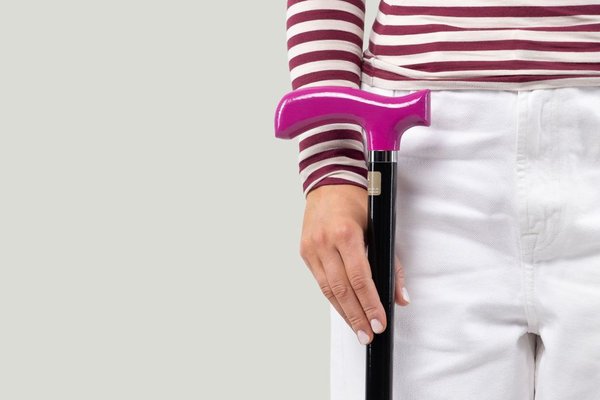
Getting dressed should feel like a normal part of the day, not a test of grip strength, balance or patience. That is the idea behind adaptive fashion for seniors: clothing that reduces the effort of dressing while still looking like something a person would choose to wear. The best pieces are thoughtful versions of familiar shirts, trousers, dresses and shoes, with easier openings and smarter details.
For older adults dealing with arthritis, reduced dexterity, limited reach, tremor or balance changes, small design changes can make a noticeable difference. Adaptive clothing can also help preserve personal style and independence. A navy blouse can still look polished, elastic-waist trousers can still be tailored, and easy-on shoes do not have to look institutional.
What Makes Clothing Truly Adaptive?
Adaptive clothing is not one single category or look. It describes garments modified to make dressing, undressing or day-to-day wear easier. Some designs replace small buttons with easier fasteners. Others open at the side or back so a person can dress with less bending or shoulder movement. Stretch fabrics, larger zipper pulls, elastic waists and wider neck openings can all reduce the fine-motor work involved.
The right feature depends on the person. Someone with painful finger joints may value a pull-on waistband and a zipper with a large tab. Someone with limited shoulder mobility may prefer a front-opening top. A wheelchair user may benefit from trousers shaped for a seated position, while a person who tires easily may simply want senior clothing options that take fewer steps to put on.
Look for Ease Without Giving Up a Personal Style
Comfortable senior fashion works best when it starts with the wearer’s normal wardrobe rather than replacing it. If someone has always preferred button-down shirts, look for shirts that keep the traditional placket appearance while using easier closures. If dresses are a favourite, choose styles with generous openings, stretch panels or front fastening rather than switching automatically to tracksuits.
Colour, print, fabric and silhouette still matter. A useful shopping question is: “Would I want this if it were not labelled adaptive?” If the answer is no, keep looking. The goal is to reduce friction in the dressing process, not reduce someone’s choices.
Features That Can Make Dressing Easier
Elastic and pull-on waistbands
Elastic waists remove the need to manage a belt, hook, button or fly. They are particularly useful when hand strength is limited or when quick access to the bathroom matters. Look for waistbands that stretch enough to pull on easily but do not dig in when sitting.
Large zipper pulls and easy-grip fasteners
A standard zipper tab can be surprisingly difficult to pinch. Larger pulls provide more surface area and may be easier to control. Hook-and-loop fasteners can also simplify dressing, especially when they are hidden behind a conventional-looking placket.
Magnetic closures
Magnetic fasteners can make shirts and jackets easier to close for people who struggle with buttons. They are convenient, but they are not suitable for everyone. Anyone with a pacemaker, defibrillator or another implanted medical device should check the device guidance or ask a healthcare professional before using clothing with magnets near the implant.
Soft, stretchy fabrics
Stretch fabrics can reduce the effort needed to guide an arm through a sleeve or pull trousers over the hips. Soft seams and breathable materials may also feel better on sensitive skin, while overly loose fabric can bunch or twist.
Front openings and wider necklines
Front-opening garments can be helpful when reaching behind the body is difficult. Wider neck openings and flexible cuffs can also reduce strain. For easy dress clothing for elderly adults who need assistance, these features may make the process simpler for both the wearer and the person helping.
A Practical Way to Choose the Right Pieces
Instead of replacing an entire wardrobe, start with the part of dressing that causes the most difficulty. Imagine an older man with arthritis who still enjoys wearing smart trousers and a collared shirt to lunch. The shirt buttons take too long, and fastening the trouser waistband hurts his fingers. A practical solution might be one magnetic-look shirt or hidden hook-and-loop shirt, paired with pull-on trousers cut to resemble chinos. His overall style stays the same; only the difficult steps disappear.
At home, notice where dressing slows down: socks, bra hooks, laces, cuffs, back zips or waist fasteners. Change that one problem first rather than replacing a whole wardrobe without knowing which features help.
If balance is a concern, dressing while seated on a stable chair can also make the routine safer and less tiring. Long-handled shoehorns, button hooks and zipper aids may allow favourite existing clothes to stay in rotation rather than being replaced.
Fit Matters More Than the Label
An adaptive label does not guarantee a good fit. Check garment measurements, opening size, stretch, seam placement and how the item feels when sitting as well as standing. Trousers that feel fine upright may tighten across the waist or knees in a chair. Sleeves that are easy to put on may still be too long.
Also consider laundry. Machine-washable fabrics and fasteners that stay secure in the wash are usually easier for everyday use and less likely to create a new burden.
Adaptive Fashion Can Support Independence
The most valuable result is not simply faster dressing. Being able to choose a favourite colour, put on a shirt with less help, or get ready without exhausting effort can make clothing feel personal again.
When dressing challenges are linked to arthritis, Parkinson’s disease, stroke, dementia or another health condition, an occupational therapist can also help identify practical techniques, assistive tools and clothing modifications that match the individual’s abilities. The best solution may be a specialist garment, a small alteration to existing clothes, or a change in the dressing routine.
Frequently Asked Questions
What is adaptive fashion for seniors?
It is clothing designed to make dressing and wearing garments easier for older adults who may have reduced mobility, dexterity, balance or strength. Common features include elastic waists, easy fasteners, front openings, stretch fabrics and larger zipper pulls.
Does adaptive clothing always look different from regular clothing?
No. Many modern designs hide adaptive features inside familiar styles, so a shirt, dress or pair of trousers can look conventional while being easier to put on and remove.
Are magnetic closures safe for everyone?
Not necessarily. People with pacemakers, implanted defibrillators or other implanted medical devices should review their device instructions or speak with a healthcare professional before using magnetic closures near the implant.
What should I buy first?
Start with the garment that causes the most difficulty during a normal week. Solving one specific problem, such as buttons, laces or a tight waistband, is usually more useful than replacing the whole wardrobe at once.
Style Should Still Feel Like You
Adaptive fashion for seniors is at its best when the clever part is almost invisible. Easier closures, more forgiving fabrics and thoughtful openings can remove unnecessary effort without changing a person’s identity. Focus on the dressing problem first, then choose the version that matches the wearer’s usual taste. Comfort and independence matter, but so do colour, fit, personality and the simple pleasure of looking in the mirror and recognising yourself.