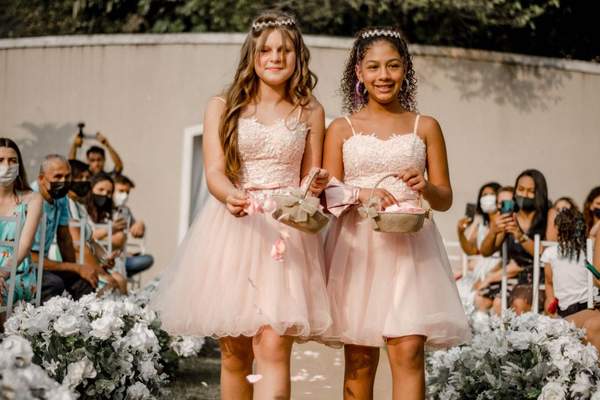
A junior bridesmaid has a special place in the wedding party: old enough to take part in the ceremony, but not necessarily comfortable wearing the same dress as the adults. That is why junior bridesmaid dresses deserve more thought than simply ordering a smaller version of a standard bridesmaid gown. For tweens and younger teens, the best choice combines a cohesive wedding look with coverage, movement, and a fit that feels right for their age.
What Makes a Junior Bridesmaid Dress Different?
Junior bridesmaids often fall somewhere between flower girls and adult attendants, although there is no universal age rule. Their proportions may change quickly, and adult gowns can have bodices, bust shaping, or necklines that feel awkward on a younger wearer. Children’s formalwear, meanwhile, may look too juvenile for someone entering their teens.
The solution is a middle ground: polished details, uncomplicated construction, and flexibility for walking, sitting, eating, and dancing. Age appropriate bridesmaid dresses need not be plain. They simply should not ask a young person to tolerate an uncomfortable design to match everyone else.
Choose a Silhouette That Fits the Wearer
A-line dresses offer easy movement
An A-line shape is a dependable starting point because the skirt falls away from the waist without clinging. It works well in chiffon, soft satin, or lightweight crepe, and can echo the adult bridesmaids’ outfits without copying their exact cut. Check that the waist seam lands at the wearer’s natural waist.
Midi lengths can be more practical than floor-length
Tea-length and midi junior bridesmaid dresses reveal the shoes, reduce the risk of stepping on the hem, and suit garden or daytime ceremonies. A full-length dress can be beautiful for a formal celebration, but it must be hemmed for the actual shoes and checked on stairs. Do not choose a dragging skirt purely to mirror the adults.
Find Comfortable, Age-Appropriate Coverage
Coverage is about confidence as much as appearance. Wide shoulder straps, short sleeves, cap sleeves, and modest V or round necklines are useful options. A sleeveless style may be comfortable for one tween, while another prefers more coverage. Let the wearer have a meaningful say.
Look closely at the bodice when trying on a tween bridesmaid dress. Does the neckline gape when she bends forward? Do straps slip when she raises her arms? Is the back low enough to reveal ordinary undergarments? These details matter more than whether a product photograph looks elegant.
If the ceremony calls for covered shoulders, consider a dress designed with sleeves rather than relying on a shrug that might slip off. A guide to wedding guest dress codes can also help families understand what the event’s formality actually requires.
Fabric and Lining Make a Noticeable Difference
Chiffon is airy and photographs softly, although it generally needs an opaque lining. Crepe offers a clean silhouette without heavy decoration. Satin looks dressy but varies in weight and breathability, so examine the fabric before deciding. Tulle adds a romantic effect, yet stiff layers can scratch at the waist or legs.
Check the lining, seams, and embellishments against the skin. Sequins under the arms, scratchy lace, or a rigid waistband may become irritating after several hours. Ask the wearer to sit for five minutes in the sample dress rather than judging comfort from a standing mirror check.
How to Measure and Size Junior Bridesmaid Dresses
Do not order solely by age or by a familiar high-street size. Measure bust, natural waist, hips, shoulder-to-waist length, and the intended skirt length. Compare those measurements with the specific retailer’s size chart because brands and dress patterns differ.
Use a flexible tape measure without pulling it tight, and take measurements over the undergarments intended for the wedding. If measurements fall across different sizes, ask the retailer or an alterations specialist which size leaves adequate room for adjustment. A slightly generous fit can often be taken in; a tight dress may have too little seam allowance to enlarge.
Allow for growth without buying wildly oversized
For a wedding several months away, confirm ordering and return deadlines and consider how quickly the wearer is growing. Buying many sizes larger can distort the shoulders and neckline. A forgiving silhouette and a final fit check closer to the date are usually more effective.
Imagine a 12-year-old junior bridesmaid attending a June garden wedding. She chooses a sage A-line midi dress in winter. Instead of hemming it immediately, her family confirms delivery, schedules alterations for spring, and brings her chosen flats. The hem can then be adjusted to her current height, not a measurement taken months earlier.
Make the Fitting a Movement Test
A fitting should include more than a mirror selfie. Have the wearer walk briskly, climb a step, sit in a chair, lift both arms, and bend to pick something up. The dress should remain secure without pinching, riding up, twisting, or requiring repeated pulling.
Bring the shoes and intended undergarments to alterations. Hemming, strap shortening, and modest waist adjustments are common, but feasibility depends on construction and seam allowance. Ask the tailor how long the work will take, and leave time for a second try-on before the wedding.
Coordinate the Bridal Party Without Matching Every Detail
Junior bridesmaid outfits can complement adult dresses through colour, fabric, or one shared detail. If the adult attendants wear one-shoulder satin gowns, a junior attendant might wear the same colour in a round-neck A-line style. The photographs still feel coordinated, while her dress suits her proportions.
Secure flats, a simple hair accessory, and minimal jewellery may be all that is needed. Bridesmaid dress colour combinations can help when planning a mixed-age bridal party, while flower girl outfit ideas offer inspiration for coordinating younger attendants without duplicating everyone’s clothing.
Frequently Asked Questions
What age wears a junior bridesmaid dress?
There is no fixed age. The role often suits an older child or younger teen who is ready for bridal-party responsibilities but does not want an adult bridesmaid style. The couple and family can decide what feels appropriate.
Should junior bridesmaid dresses match adult bridesmaids?
Not exactly. The same colour or fabric with a different neckline, sleeve design, or hem length can create a unified look and a better fit.
When should a junior bridesmaid get alterations?
Allow for the retailer’s delivery schedule and tailor’s workload, then plan the final fit reasonably close to the wedding so growth is less likely to affect the result. Ask the specialist for a timeline based on the dress.
What shoes work best for junior bridesmaids?
Comfortable flats or other stable, well-fitting shoes are practical. Have the wearer walk on surfaces similar to the venue’s, and bring the chosen pair to any hem fitting.
Final Thoughts
The best junior bridesmaid dresses make young attendants feel included rather than dressed up as adults. Start with a flattering shape, listen to coverage preferences, check fabric against the skin, and plan fittings around movement and growth. When comfort leads the decisions, the finished look can still be polished and memorable.