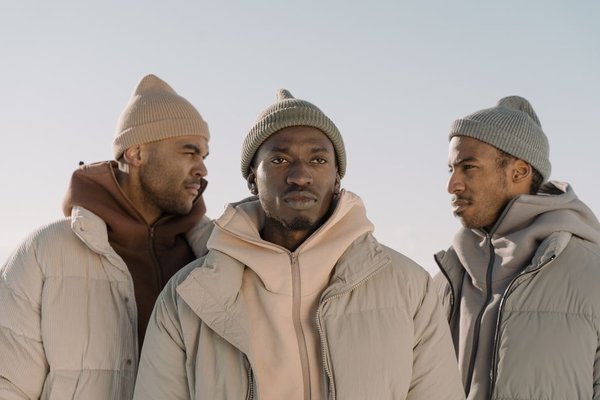
A beanie can finish an outfit beautifully, but it can also make everything feel oddly top-heavy. The difference usually comes down to a few small choices: where the edge sits, how much fabric gathers at the crown, and what happens to your hair underneath. Learning how to wear a beanie is less about copying one perfect look and more about finding proportions that work with your face, hairstyle, and clothes. Treat your hat as part of the outfit, not something you add after getting dressed.
Get the Fit Right Before Styling Anything Else
A beanie should feel secure without squeezing your forehead or leaving a deep mark. If it slides upward whenever you move, it may be too shallow or tight. If it falls over your eyes, the body may be too long or loose. Try it on with your usual hairstyle, since a hat that fits over loose curls may sit differently over straight hair.
Adjust the Cuff to Change the Shape
A cuffed beanie fit looks cleaner when the fold is even and the brim sits comfortably above your eyebrows. A taller cuff creates a shorter, more structured silhouette; a narrow cuff leaves more fabric at the crown for a casual look. Start with a fold of roughly two to three inches, then adjust by looking in the mirror rather than following a strict measurement. Smaller faces may benefit from less fabric piled on top.
Decide How Much Forehead and Ear to Cover
For a classic everyday look, place the front edge around the upper forehead and allow the hat to cover at least part of the ears. Wearing it farther back shows more hair but offers less warmth. Pulling it lower can work in cold wind, provided it does not obstruct your vision. Check the side view too: excess fabric should fall naturally rather than forming a stiff point.
Choose a Beanie Hairstyle That Survives Taking It Off
The best beanie hairstyles account for what your hair will do after an hour under knit fabric. Leave a little intentional shape around your face and avoid unnecessary pressure on the roots.
With Short Hair or a Fringe
Short hair often looks best with a compact, ribbed beanie that does not tower above the head. Let a little hair show near the ears or front if that suits your cut. For a fringe, slide the front edge slightly back so the hair can sit naturally instead of being pressed straight down. When you remove the hat, lift the roots gently with your fingers rather than brushing everything flat.
With Medium or Long Hair
Leave longer hair loose beneath the hat, part it as usual, and bring some strands forward over your shoulders. This creates a softer frame, especially with a chunky coat. A low ponytail, single braid, or two loose braids can prevent tangles without creating an uncomfortable bump under the knit. Avoid a high bun beneath a close-fitting beanie; it changes the shape of the hat and can make it slide.
With Curly or Textured Hair
Look for a hat with enough room for your natural volume. A tight knit can compress curls and create friction, so a smoother lining may be more comfortable. Position the beanie without repeatedly dragging it across the hair. For a more open silhouette, wear it slightly behind the hairline and let curls frame the face. Protecting shape matters more than making every strand fit under the crown.
Build Beanie Outfits Around Proportion
Winter hat styling works best when the hat echoes something else in your clothes: the texture of a sweater, the relaxed shape of jeans, or the color of boots. You need coordination, not an exact match.
With Wool Coats and Smart Layers
A fine-gauge beanie pairs neatly with a tailored wool coat, straight trousers, and simple boots. Choose a close shape with a modest cuff to avoid competing with the coat’s lapels. For example, a charcoal beanie, camel coat, cream sweater, and black trousers feels coordinated without looking overly planned. If you are experimenting with outerwear, choosing a winter coat that suits your proportions is a useful next step.
With Puffer Jackets and Casual Clothes
Puffers bring volume around the shoulders, so a beanie that sits close to the head often looks balanced. A ribbed knit adds texture against a jacket’s smooth finish. With denim, trainers, and a sweatshirt, a slightly relaxed crown feels natural. If the jacket is oversized, keep another element streamlined, such as straight-leg jeans instead of extremely baggy trousers.
Use Color Without Overmatching
Black, navy, grey, and oatmeal work across several coats. For something more playful, repeat a color from your scarf, jumper, or footwear. A rust beanie can warm up an olive jacket; burgundy can soften an all-black outfit. Bright hats are easiest to wear when the rest of the clothes stay quiet. For more ideas, look to simple winter scarf styling rather than matching every accessory exactly.
Pick Fabric for the Weather and the Look
Fine merino wool can offer warmth with a slimmer profile, while thicker wool blends create visible texture and a more casual silhouette. Cotton knits may suit milder days but are not always the warmest option for harsh weather. Synthetic blends vary widely; check how the fabric feels against your forehead and whether it stretches back into shape. If wool irritates your skin, try a softer blend or lined style. Follow the care label, because shrinking can turn a comfortable hat into a tight one.
Frequently Asked Questions
Should a beanie cover your ears?
For warmth, covering most or all of your ears is practical. For styling in mild weather, a higher position can work, as long as the hat stays secure. Choose based on conditions rather than a fixed rule.
How do you wear a beanie without flattening your hair?
Choose a fit that does not press hard against your roots, put it on dry hair, and leave some hair visible around your face. A low braid or loose hairstyle makes post-hat touch-ups easier.
Are cuffed or slouchy beanies more stylish?
Neither is automatically better. Cuffed styles often look tidy with tailored coats, while a gentle slouch works well with casual layers. What matters is whether the crown and cuff suit your overall proportions.
Can you wear a beanie with a formal coat?
Yes. Try a plain, fine-knit beanie in a neutral color with a restrained cuff. Minimal texture and a close fit help it sit alongside a structured coat without making the outfit too sporty.
A Small Adjustment Can Change the Whole Outfit
The most convincing beanie looks are rarely complicated. Start with a comfortable fit, adjust the cuff and placement, then consider how your hair and outerwear frame the hat. Once those details work together, even the simplest knit beanie feels like a deliberate part of your style rather than an afterthought.