The weeks before a new school year have a particular kind of energy. Children are thinking about classmates, teachers, and fresh routines, while parents are quietly wondering how many uniforms, notebooks, and lunch containers are actually necessary. It is easy for back-to-school shopping to become rushed, expensive, and slightly chaotic.
A thoughtful approach makes the process far more manageable. This back-to-school shopping guide focuses on practical planning, comfortable clothing, useful supplies, and purchases that can survive beyond the first few weeks of term. The aim is not to buy everything new. It is to make sure children begin school feeling prepared, comfortable, and confident.
Check What You Already Have
Before making a shopping list, take a proper look through wardrobes, drawers, school bags, and stationery boxes. Many families already have more usable items than they realize. Last year’s ruler may be perfectly fine, a lunch box might only need a deep clean, and several school shirts may still fit.
Ask children to try on their existing clothes and shoes rather than judging fit by sight. Check sleeve length, waistbands, hems, and room around the toes. Children often grow unevenly, so a jumper may still fit even when the matching trousers have become too short.
Testing pens, cleaning reusable bottles, and emptying old bags can prevent unnecessary duplicate purchases. This first step takes a little time, but it usually saves both money and storage space.
Read the School Requirements Carefully
Every school has its own expectations, and these can change between year groups. Read the latest uniform policy and supply list before shopping. Pay attention to details such as permitted colors, shoe styles, sportswear, calculator models, and rules about bags or accessories.
It is also worth separating essential items from those that are merely suggested. Some supplies may be provided by the school, while others might not be needed until later in the term. Buying everything immediately can lead to unused folders, extra stationery, and equipment that spends the year at home.
For older students, check subject choices before purchasing specialist materials. Art, science, technology, and mathematics classes may each have specific requirements, but teachers often explain these after lessons begin.
Build a Realistic Shopping Budget
Back-to-school costs can climb surprisingly quickly, especially when clothing, footwear, stationery, bags, and technology are all purchased at once. Setting a budget in advance creates a useful boundary and makes it easier to prioritize.
Begin with genuine necessities: clothes that fit, supportive shoes, a reliable school bag, and required classroom supplies. Items that are still usable can stay in rotation, even if they no longer look completely new. A small mark on a pencil case or a faded patch inside a backpack rarely affects its usefulness.
Leaving a little room in the budget for forgotten or later-requested items is sensible. Schools sometimes add requirements during the first week, and children may discover that a particular folder, notebook, or sports accessory is more important than expected.
Choose School Clothes for Real Life
School clothing has a demanding job. It must handle long hours of sitting, running at break time, paint, food, changing weather, and frequent washing. Comfort and durability should therefore come before decorative details.
Look for breathable fabrics, secure stitching, flexible waistbands, and shapes that allow natural movement. Shirts should not pull across the shoulders, trousers should be easy to fasten, and skirts or dresses should feel comfortable when sitting. For younger children, simple zips, elastic waists, and clearly marked labels can support independent dressing.
Avoid buying too many garments in a larger size for future growth. Slightly generous sizing can be practical, but excessively long sleeves and loose waistbands may be uncomfortable or unsafe. Adjustable features are often a better solution because they provide growing room while maintaining a sensible fit.
Plan Outfits Around Easy Layers
The start of a school year often falls during a change in weather. Mornings may feel cool, classrooms can become warm, and the journey home might bring rain. Light, removable layers help children adjust throughout the day.
A breathable base layer can be worn beneath a cardigan, sweatshirt, or school jumper. A lightweight waterproof jacket is useful during unpredictable weather and can often be folded into a backpack. As temperatures fall, warmer coats and thermal layers can be added gradually.
Choose pieces that work together rather than treating every garment as a separate outfit. A small collection of coordinated tops, bottoms, and layers creates more combinations and makes rushed mornings simpler. Neutral basics can be mixed with colorful accessories where school policies allow them.
Take School Shoe Shopping Seriously
Children spend much of the school day on their feet, so footwear deserves careful attention. School shoes should feel supportive from the beginning. Relying on a painful “breaking-in” period can result in blisters and unnecessary discomfort.
Have the child try on both shoes while wearing the type of socks they will normally use. Check the width as well as the length, and make sure the heel does not slip. Ask them to walk, bend, and take a few quick steps. A shoe that feels fine while standing still may behave differently in motion.
Fastenings should match the child’s abilities and daily routine. Hook-and-loop straps are convenient for younger pupils, while laces may suit children who can tie them securely. Soles should provide reliable grip, particularly during wet weather.
Find a Backpack That Fits Properly
A backpack may look like a simple fashion choice, but its shape and fit matter. A good school bag should sit close to the back, with two adjustable shoulder straps that distribute weight evenly. Oversized bags can encourage children to carry far more than they need.
Look for strong seams, smooth zips, and enough compartments to keep books, stationery, and food organized. A separate bottle pocket reduces the risk of leaks near notebooks or electronic devices. Reflective details can also improve visibility during darker mornings.
Let children have some say in the color or design. A practical bag is more likely to be used happily when its owner actually likes it. Still, check that the style is suitable for school requirements and sturdy enough for everyday use.
Keep Stationery Useful and Manageable
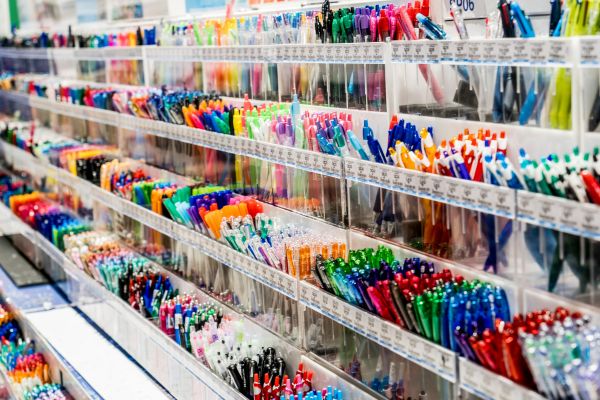
Stationery aisles can make even sensible shoppers feel that twelve highlighters and several novelty erasers are essential. Usually, they are not. Begin with the school’s list and choose straightforward items that work reliably.
Younger children may benefit from thicker pencils, easy-grip scissors, and a pencil case they can open without help. Older students often need separate notebooks, folders, pens, and subject-specific tools. Labeling these items early can prevent confusion once classes begin.
A small supply of replacements at home is useful, but there is little need to stock an entire cupboard. Pens disappear and pencils become shorter, yet supplies can be replaced during the term. Buying gradually also reveals which products a child genuinely prefers using.
Prepare Lunch and Hydration Essentials
A practical lunch setup can make school meals easier and reduce daily frustration. Choose a lunch bag or box that is simple to open, easy to clean, and large enough for a normal meal without being bulky.
Reusable containers should fit securely inside, and lids need to be manageable for the child. Test unfamiliar containers at home because a completely leakproof lid is not helpful if a young child cannot remove it. An insulated bag may be useful when food needs to remain cool.
Water bottles should close tightly and fit the backpack’s side pocket. Check whether all parts can be washed properly, particularly straws and narrow lids. Label both lunch containers and bottles clearly, as these are among the school items most likely to be misplaced.
Involve Children Without Losing Focus
Children are more likely to value their belongings when they participate in choosing them. Give them control over a few appropriate decisions, such as backpack color, notebook design, or preferred socks. Limited choices work especially well with younger children because they encourage independence without making the trip overwhelming.
At the same time, explain the difference between wanting something and needing it. A fashionable pencil case may be enjoyable, but it should still fit the required stationery and close properly. This creates a gentle opportunity to discuss budgeting, quality, and thoughtful decision-making.
Shopping in shorter sessions can also help. Tired children and crowded shops are rarely a peaceful combination. Dividing the task by category often keeps everyone more patient.
Label, Organize, and Test Everything
Once shopping is complete, label clothing, shoes, bags, bottles, lunch boxes, and stationery. Use the child’s name in a place that is easy for school staff to find but not clearly visible to strangers.
Wash new clothes before the first day to soften fabrics and identify any shrinkage. Adjust backpack straps, test water bottles for leaks, and make sure sports clothes fit inside the required bag. Younger children can practice opening lunch containers, fastening shoes, and packing away their belongings.
These small preparations reduce first-day surprises. They also allow children to become familiar with their new items before they must manage them in a busy classroom.
Start the School Year With Confidence
A useful back-to-school shopping guide is ultimately about preparation, not perfection. Children do not need an entirely new wardrobe or every possible school supply to begin the year well. They need clothes that fit, shoes that support them, dependable essentials, and belongings they can manage independently.
By checking existing items, following school requirements, setting priorities, and involving children in suitable decisions, families can make the process calmer and more purposeful. The best purchases are rarely the flashiest ones. They are the items that quietly support learning, movement, comfort, and confidence long after the excitement of the first day has passed.