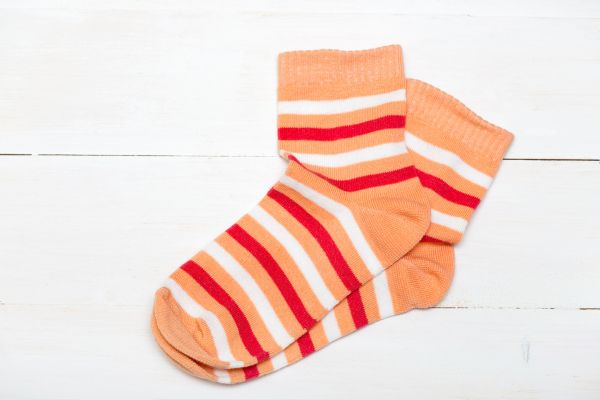
Choosing socks sounds simple until you realize how much they affect comfort. The right pair can keep your feet dry, warm, and happy through a long workday, a winter walk, or an intense workout. The wrong pair can leave you overheated, damp, or constantly adjusting your shoes. That is why the debate around wool vs cotton socks continues to matter more than many people expect.
Both materials have loyal fans. Cotton is familiar, soft, and easy to find. Wool has evolved far beyond the scratchy image many people still remember, offering comfort, warmth, and moisture control that surprises first-time wearers. But which is actually better? The honest answer depends on how, where, and when you wear them.
Why Sock Material Matters More Than You Think
Socks do more than cover your feet. They act as a layer between skin and shoes, managing friction, temperature, sweat, and pressure throughout the day.
If a sock traps moisture, your feet may feel clammy. If it holds too much heat, discomfort follows quickly. If it slides around or loses shape, blisters can appear. Material plays a major role in all of this.
That is why comparing wool vs cotton socks is not just about texture. It is about daily comfort and performance.
Understanding Cotton Socks
Cotton has been a wardrobe staple for generations. It is breathable, lightweight, and soft against the skin. Many everyday socks use cotton blends because the fiber feels familiar and works well in mild conditions.
Cotton socks are often ideal for casual indoor use, short outings, or situations where your feet are unlikely to sweat heavily. They also tend to be budget-friendly and widely available in countless colors, lengths, and patterns.
Still, cotton has one well-known weakness: it absorbs moisture and holds onto it. If your feet sweat during the day, cotton can become damp and stay that way longer than other fabrics.
That dampness may not matter during a quick trip to the store, but over several hours it can become uncomfortable.
Understanding Wool Socks
Modern wool socks are very different from the thick, itchy pairs some people remember from childhood. Today, many are made with fine fibers such as merino wool, which feels soft, flexible, and surprisingly light.
Wool naturally regulates temperature. It helps keep feet warm in cold weather, yet it can also remain comfortable in moderate temperatures because it releases heat and moisture efficiently.
One of wool’s strongest advantages is moisture management. Rather than feeling wet quickly, wool can absorb vapor while still feeling relatively dry. That makes it a favorite for hikers, travelers, outdoor workers, and anyone on their feet for long stretches.
Wool also tends to resist odor better than many other materials, which is a quiet but valuable benefit.
Comfort and Feel on the Skin
For many people, comfort decides everything.
Cotton feels smooth and soft immediately. It has a familiar coziness that works well for lounging or daily wear. If you prefer a classic, lightweight sock feel, cotton often wins first impressions.
Wool, especially merino wool, feels softer than expected. It can provide a cushioned, supportive sensation that many people grow to love. Traditional coarse wool may feel irritating to sensitive skin, but high-quality wool blends are usually much gentler.
If softness matters most right out of the package, cotton may appeal more. If comfort over many hours matters more, wool often gains the advantage.
Warmth and Temperature Control
This is where the wool vs cotton socks comparison becomes clearer.
Wool performs exceptionally well in cool or cold weather. Its fibers trap warmth efficiently while still allowing airflow. Even when temperatures drop, wool can help feet stay comfortable without overheating too quickly.
Cotton is lighter and cooler in mild or warm weather, but it does not insulate nearly as well. Once cotton becomes damp in winter conditions, feet may feel colder fast.
For winter walks, travel days, or chilly mornings, wool is usually the stronger option. For a relaxed summer afternoon indoors, cotton may feel perfectly fine.
Moisture and Sweat Management
Anyone with sweaty feet knows this category matters.
Cotton absorbs sweat readily, but once wet, it tends to stay wet longer. That lingering moisture can increase friction and discomfort.
Wool handles moisture differently. It can pull moisture away from the skin and release it more effectively. Many wearers notice their feet feel drier for longer periods.
If your day involves walking, commuting, exercise, or warm shoes, wool usually performs better.
Durability and Long-Term Wear
Not all socks are created equally, but material does influence lifespan.
Basic cotton socks can wear thin over time, especially around the heel and toe. Repeated washing may also reduce shape retention.
Wool socks, especially blended with nylon or elastic fibers, often hold up well under regular use. Many performance wool socks are built for hiking or active wear, so durability is part of the design.
That said, wool often needs gentler care than cotton. Hot washing or rough drying can shorten its life.
Odor Resistance
Few people talk openly about sock odor, but everyone notices it.
Cotton tends to hold sweat, which can create a friendlier environment for odor-causing bacteria.
Wool naturally resists odor better than many common fibers. This is one reason travelers and hikers often pack wool socks for multi-day trips.
If freshness matters after long hours in shoes, wool has a real edge.
Best Uses for Cotton Socks
Cotton socks still deserve their place in the drawer. They are practical, comfortable, and easy to wear.
They often work best for casual everyday use, short periods of wear, indoor settings, and mild weather. They are also great for people who prefer a thin, lightweight sock inside roomy shoes or sneakers.
For quick errands or relaxed home wear, cotton can be ideal.
Best Uses for Wool Socks
Wool shines when conditions become more demanding.
Long walks, travel days, cold climates, hiking, work shifts, and active routines all highlight wool’s strengths. It is especially useful when you need socks that stay comfortable for hours without becoming damp or smelly.
Many people who switch to wool for outdoor use end up wearing it year-round.
Are Blended Socks the Best Compromise?
Often, yes.
Many socks combine wool or cotton with synthetic fibers such as nylon, polyester, or elastane. These blends can improve stretch, durability, moisture control, and fit.
A cotton blend may feel softer while lasting longer than pure cotton. A wool blend may be easier to wash and more durable than pure wool.
If you want balance rather than extremes, blended socks are worth considering.
So, Which Is Better?
When comparing wool vs cotton socks, there is no universal winner for every person and every situation.
Cotton is better for affordability, softness, casual wear, and warm indoor comfort. Wool is better for moisture control, odor resistance, temperature regulation, and long hours on your feet.
If you mostly need socks for relaxing or light daily use, cotton may serve you well. If comfort during movement, changing weather, or extended wear matters more, wool usually comes out ahead.
Conclusion
The best sock is the one that suits your real life, not just the label. Cotton remains a reliable classic for easygoing comfort, while wool offers modern performance that many people underestimate. Instead of choosing one forever, it often makes sense to keep both on hand.
Use cotton when the day is simple. Reach for wool when the day asks more of you. In the end, the wool vs cotton socks debate is less about declaring a winner and more about knowing what your feet need today.