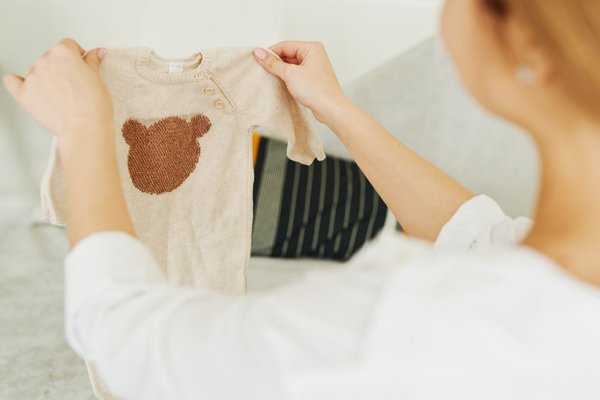
Newborn wardrobes can fill up surprisingly fast. Tiny outfits are tempting, gift sets arrive from well-meaning relatives, and many registries make it seem as if a baby needs a different look for every hour of the day. In practice, the most useful newborn baby clothing essentials are much simpler: soft, washable pieces that are easy to put on, easy to remove, and comfortable through feeding, sleeping, and frequent diaper changes.
A practical first baby wardrobe should leave room for uncertainty. Some babies wear newborn sizes for weeks; others move into 0–3 months almost immediately. Start with a small working set, then add more once you know your baby’s size, laundry rhythm, and the weather.
How Much Newborn Clothing Do You Really Need?
For many families, a useful newborn clothing checklist covers several days of everyday wear. Frequent laundry means you can own less; extra pieces help when spit-up or diaper leaks create multiple changes.
A realistic starting point is six to eight bodysuits, four to six sleepers, three to five pairs of soft pants, four to six pairs of socks, and one or two season-appropriate outer layers. Add a couple of hats for outdoor use when the weather calls for them. You do not need equal quantities of everything because bodysuits and sleepers usually do most of the work.
The Everyday Pieces Worth Buying First
Bodysuits
Bodysuits are the foundation of most newborn outfits. They stay tucked in and layer easily under pants or sleepers. Envelope necklines, stretchy shoulders, or wide openings can make dressing easier. Choose sleeve lengths for your climate; a mix is usually more useful than many identical pieces.
One-Piece Sleepers
Sleepers or footed pajamas are among the hardest-working items on any baby essentials list. They are practical for nighttime, naps, and relaxed days at home. Zippers are often quicker than long rows of snaps during overnight changes, and two-way zippers can make diaper access easier without fully undressing the baby.
For sleep, choose properly fitting sleepwear and avoid loose bedding. Current American Academy of Pediatrics guidance also recommends avoiding overheating; a common rule of thumb is dressing a baby in no more than one extra layer than an adult would comfortably wear in the same environment. Weighted sleepwear should not be used.
Soft Pants and Leggings
Three to five pairs of soft pull-on pants are usually enough. They turn a bodysuit into a daytime outfit and are easier to remove than stiff trousers or complicated fastenings. Stretchy waistbands also stay comfortable while a baby lies, feeds, and is carried.
Socks Instead of Shoes
Newborn shoes are mostly decorative. Socks are more useful, particularly with outfits that do not have built-in feet. Four to six pairs are a sensible start. Check that cuffs are not tight and do not leave deep marks around the ankles.
Seasonal Layers
Your local weather matters more than any universal list. In cooler conditions, add one or two easy layers for outings. In hot weather, choose breathable, lightweight clothing and avoid unnecessary bundling. Removable layers help when moving between outdoor heat and air-conditioned rooms.
Why You Should Not Buy Everything in Newborn Size
A smart approach is to split basics between newborn and 0–3 months. For example, buy four newborn bodysuits and four in 0–3 months, then do something similar with sleepers. That gives you enough clothing for the early days without risking a drawer full of pieces that are outgrown before they are worn.
If friends or relatives ask what you still need, requesting the next size up is often more useful than receiving another newborn outfit. Related reading such as a baby clothing size guide can also help parents plan purchases without overbuying.
Clothes That Often Get Less Use Than Expected
Formal outfits, tiny jeans, complicated overalls, indoor hoodies, and newborn shoes can all look adorable, but they rarely become the backbone of everyday dressing. The same is true of outfits with multiple buttons or decorative details that slow down frequent diaper changes.
One or two special outfits for photos or family events are fine. Just do not let them replace practical basics. At 3 a.m., a soft zip-up sleeper is usually more valuable than a coordinated set.
A Realistic Day With a Newborn Wardrobe
Imagine your baby starts the morning in a bodysuit and soft pants. After a feeding, the bodysuit gets wet with spit-up, so you change it. Later, a diaper leak means replacing both the bodysuit and pants. At bedtime, the baby goes into a sleeper. That is already several clothing pieces used in one completely ordinary day.
This is why having six to eight bodysuits is often more helpful than owning six elaborate outfits. Keep one clean sleeper and one complete change of clothes in the diaper bag as well. A newborn diaper bag checklist is a natural companion resource for parents trying to pack only what they will actually use.
How to Choose Better Newborn Clothes
Prioritize soft fabric, simple openings, comfortable seams, and easy diaper access. Check washing instructions before buying; clothes that need special care are less convenient when laundry is frequent. Wash new clothing before first use according to the garment label.
Check fit regularly too. Babies grow quickly, and something that fit comfortably a week ago may suddenly feel snug around the neck, waist, wrists, or ankles. Move up a size when clothing becomes difficult to put on, restricts movement, or leaves persistent pressure marks. A guide on how to organize baby clothes by size can make those fast transitions easier.
FAQ
How many newborn outfits should I buy before birth?
Start with enough practical clothing for several days rather than a large collection of complete outfits. Six to eight bodysuits, four to six sleepers, a few pairs of pants, socks, and seasonal layers provide a flexible base for many families.
Should I buy newborn size or 0–3 months?
Buy some of both. Babies vary in birth size and growth rate, so splitting essentials between newborn and 0–3 months reduces the chance of buying too much in a size that may only fit briefly.
Are newborn shoes necessary?
No. Newborns do not need shoes for walking, and socks or footed sleepers are generally more practical for warmth. Shoes can be kept as an occasional decorative item if you enjoy them.
How often should newborn clothes be changed?
Change clothing whenever it becomes wet, soiled, uncomfortable, or unsuitable for the temperature. Some days one outfit may last for hours; on other days, feeding spills and diaper leaks can mean several changes.
Build the Wardrobe Around Real Life
The best newborn clothing checklist is the one that matches your laundry routine, local weather, and baby’s actual size. Start with comfortable basics, keep quantities modest, and add more only when a genuine need appears.
That approach keeps a first baby wardrobe useful instead of crowded. The pieces that earn their place will usually be the simple bodysuits, sleepers, pants, socks, and layers that make feeding, changing, washing, and everyday cuddling easier.