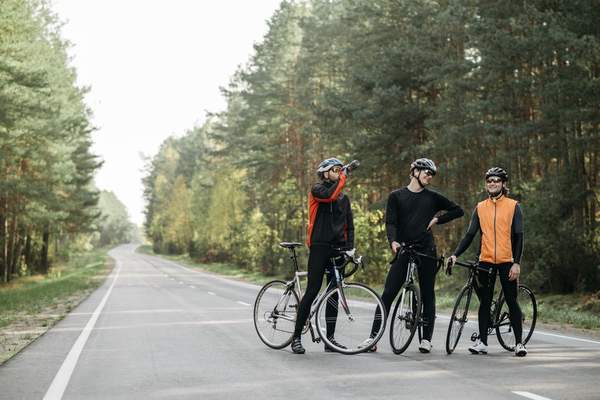
Cycling apparel can look more complicated than it really is. Bike shops are full of jerseys, padded shorts, bibs, gilets, arm warmers and technical fabrics, but beginners do not need a full matching kit. The useful question is simpler: which clothes will actually make riding more comfortable?
For short, easy rides, comfortable fitness clothing can work perfectly well. Cycling-specific pieces become more useful as rides get longer, weather gets less predictable or you spend more time in the saddle. A sensible cycling apparel guide should help you buy in that order.
Start With the Problems Your Clothes Need to Solve
Good beginner cycling clothes usually do four jobs: manage sweat, reduce rubbing, stay out of moving bike parts and help you adapt to changing conditions. Cycling-specific garments may add a close fit, longer backs, rear pockets, reflective details or padding in the seat area.
That does not mean tighter or more technical is always better. A relaxed rider on a hybrid may prefer a breathable T-shirt and stretch shorts. A road cyclist riding for two hours may value a fitted jersey and padded shorts because saddle contact becomes more noticeable. The best kit solves a problem you actually have.
The Cycling Gear Essentials Worth Buying First
Padded Cycling Shorts
If one item is likely to make a noticeable difference on longer rides, it is a well-fitting pair of padded shorts. The pad, often called a chamois, sits between you and the saddle and is designed to reduce friction and improve comfort. Fit matters more than how thick the pad looks.
You can choose close-fitting shorts, bib shorts with shoulder straps, or a padded liner worn under looser shorts. Beginners who do not like the Lycra look often find the liner option practical. Padded shorts are normally designed to sit directly against the skin, avoiding extra underwear seams that can rub while pedalling.
A Breathable Top
A cycling jersey is useful, but not mandatory. A moisture-wicking running or gym top is enough for many beginner rides. Jerseys become more convenient when you want rear pockets for snacks, a phone or a light layer, and when you prefer a cut that stays in place while leaning forward.
Avoid heavy cotton when you expect to sweat a lot or ride in cool conditions. Cotton can stay damp, while synthetic or wool-blend performance fabrics generally move moisture and dry more quickly.
Gloves and Socks
Cycling gloves can improve grip and take some sting out of rough roads. Some have padded palms; full-finger versions add warmth or trail protection. Socks matter less than marketing suggests, but breathable, quick-drying pairs are usually more comfortable than thick cotton socks on warm rides.
Dress in Layers Instead of Chasing One Perfect Outfit
A cool start can become warm after twenty minutes of climbing, while a descent may suddenly feel chilly. Layering gives you more control than one heavy garment.
A simple system is a breathable top, a light insulating layer when needed, and a wind- or water-resistant outer layer. A lightweight vest is especially useful because it blocks wind from your torso without feeling as warm as a full jacket. Arm warmers or a packable shell can also extend the usefulness of clothes you already own.
Natural internal-link opportunities from this section include cycling layering basics and choosing activewear fabrics.
What a Practical Bike Commuter Outfit Looks Like
Commuting is where cycling apparel advice often becomes unnecessarily sporty. Imagine a 25-minute ride to work on a flat route. You do not need a race jersey and bib shorts. A practical bike commuter outfit could be a breathable top, stretch trousers with a tapered ankle, comfortable flat-soled shoes and a lightweight shell in your bag.
If your trousers are loose near the chain, secure or roll the drive-side cuff so it cannot catch. If saddle discomfort develops, add padded liner shorts under your normal clothes rather than replacing your whole wardrobe. If you arrive sweaty, the most useful upgrade may simply be a spare top. Buy around the inconvenience you experience, not around what other cyclists wear.
Fit Matters More Than the Logo
Cycling clothes should stay in place without restricting breathing or movement. Shorts should not bunch, waistbands should not dig in, and jerseys should let you reach the handlebars comfortably. When trying tops, lean forward as if riding; a garment that looks fine while standing can ride up on the bike.
For padded shorts, a stable pad is more important than extra cushioning. If it shifts while you pedal, the size or cut may be wrong. Gloves should close around the bars without creating folds in the palm.
What You Can Skip at the Beginning
New cyclists are often encouraged to buy everything at once. You can usually wait on aero race jerseys, shoe covers, expensive bib shorts, dedicated cycling shoes and highly specialised seasonal pieces. They may be useful later, but they are not automatic cycling gear essentials.
Spend first on comfort and versatility. Padded shorts, a breathable top and one useful weather layer will cover far more rides than a drawer full of niche accessories. As your mileage grows, your own experience will tell you what is missing. Another natural internal-link opportunity here is bike commuting essentials.
Frequently Asked Questions
Do beginners need cycling-specific clothing?
No. Comfortable, breathable clothing is fine for short recreational rides. Cycling-specific garments become more valuable when you ride farther, ride frequently or want features such as padding, rear pockets and wind protection.
Are padded cycling shorts really worth it?
For many riders, yes, especially as ride duration increases. They are designed to reduce friction and improve saddle comfort, but fit is crucial. A good pair should stay in position throughout the pedal stroke.
What should I wear cycling in hot weather?
Choose lightweight, breathable fabrics, use clothing that dries quickly and avoid overdressing. Sun coverage can also matter on long rides, so consider garments with suitable coverage or a stated UPF rating where relevant.
What should I wear for casual bike commuting?
Start with clothes you can comfortably pedal in and that will not interfere with the chain or wheels. A breathable top, tapered or secured trousers, practical shoes and a packable weather layer make a strong everyday combination.
Build Your Cycling Wardrobe One Ride at a Time
The most useful cycling apparel is not the most technical kit on the rack. It is the clothing that removes a specific annoyance: saddle rubbing, a sweaty cotton shirt, cold wind on descents or trousers brushing the chain. Start with what you own, notice what limits your comfort, then upgrade deliberately. That keeps beginner cycling clothes simple, affordable and genuinely useful.