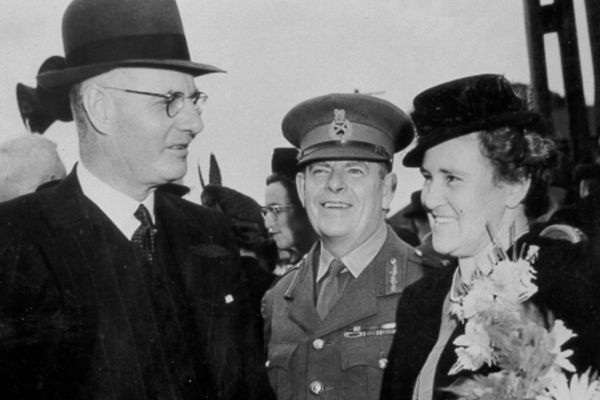
Fashion often seems like it belongs to the world of beauty, taste, and personal expression. Yet history shows that clothing is never separate from the realities of everyday life. It responds to money, labor, politics, technology, gender roles, and even fear. Few events prove this more clearly than the two World Wars. The impact of world wars on fashion was not limited to uniforms or military style. It reshaped how people dressed, how clothing was made, and what society expected from men and women in public life.
Before the wars, fashion was often guided by class, formality, and strict social codes. After them, clothing became more practical, more democratic, and more connected to modern life. The changes did not happen overnight, but war pushed fashion into a new age with surprising force.
Fashion Before the First World War
In the early years of the twentieth century, women’s fashion was still closely tied to elegance and structure. Long skirts, fitted bodices, decorative hats, lace, gloves, and corsets were part of respectable dress for many women, especially in Europe and North America. Clothes were often layered and carefully arranged. They looked graceful, but they were not always easy to move in.
Men’s clothing was also formal by today’s standards. Suits, waistcoats, stiff collars, and hats were part of everyday public appearance. Class distinctions could be read clearly through fabric quality, tailoring, and accessories. Clothing told people where you belonged.
Then came World War I, and daily life changed dramatically. Men left for the front. Women entered workplaces in larger numbers. Resources were redirected toward military needs. Suddenly, fashion had to answer a more urgent question: can people work, move, and survive in these clothes?
World War I and the Rise of Practical Dressing
The First World War made practicality unavoidable. Women working in factories, hospitals, transport, offices, and farms needed clothes that allowed movement. Long, delicate dresses were not suitable for physical labor or wartime responsibility. Skirts became shorter, silhouettes loosened, and clothing began to feel less decorative and more useful.
This was not simply a style change. It reflected a deeper shift in women’s roles. As women took on jobs once held by men, their wardrobes adapted to new kinds of public life. Simpler blouses, tailored jackets, sturdy boots, and shorter skirts became more acceptable. The idea that women’s clothing should support activity gained ground.
Military influence also entered civilian dress. Tailored coats, belts, epaulettes, darker colors, and structured lines appeared in everyday fashion. The war brought a sense of discipline and utility into clothing. Even when garments were not directly military, they carried the mood of the time.
The Corset Loses Its Grip
One of the most meaningful fashion shifts linked to World War I was the decline of the corset. The corset had already been questioned before the war, but wartime life made it feel even less practical. Women needed to move more freely, work longer hours, and dress with less assistance. Restrictive undergarments no longer fit the rhythm of the era.
As the corset faded, softer undergarments and freer silhouettes became more popular. This change helped prepare the way for the relaxed fashion of the 1920s. The famous flapper look, with its loose shape, dropped waist, and shorter hemline, did not come from nowhere. It grew from years of social pressure, physical necessity, and changing ideas about womanhood.
The impact of world wars on fashion can be seen clearly here. War did not just change outer clothing. It changed the body ideal beneath the clothes. Fashion moved away from a tightly shaped figure and toward a more mobile, modern body.
Between the Wars and the Taste for Modernity
After World War I, fashion entered a period of experimentation. The 1920s celebrated youth, movement, and a break from old rules. Women cut their hair, wore shorter dresses, danced more freely, and embraced a cleaner, less ornamental style. The mood was not only about glamour. It was about release.
Men’s fashion also became somewhat more relaxed, although not as dramatically. Sportswear gained influence, and softer tailoring became more visible. Leisure clothing began to matter more as modern lifestyles changed.
By the 1930s, fashion grew more elegant again, with longer lines, bias-cut gowns, and refined tailoring. Yet even this elegance was different from the stiff clothing of the prewar era. The body moved more naturally. Clothes followed the figure instead of forcing it into rigid shapes.
Then the world moved toward another war, and fashion once again had to adjust to scarcity, service, and uncertainty.
World War II and the Age of Rationing
World War II changed fashion in an even more organized and visible way. Fabric, leather, metal, rubber, and other materials were needed for the war effort. Governments introduced rationing systems and clothing restrictions. Designers and ordinary people alike had to work with less.
In Britain, the Utility Clothing Scheme encouraged simple, durable, and economical garments. In many places, dresses had fewer pleats, skirts became narrower, jackets were shorter, and decorative details were reduced. Cuffs, extra pockets, wide hems, and unnecessary trim were often discouraged because they used too much fabric.
This created a distinctive wartime look: neat, tailored, and restrained. Shoulders became stronger, waists were defined, and skirts were practical in length. The style reflected both limitation and resilience. People still cared about appearance, but fashion had to be clever rather than extravagant.
Make Do and Mend as a Fashion Mindset
One of the most memorable ideas from World War II fashion was the culture of repair and reuse. “Make do and mend” was more than a slogan. It became a way of living. People altered old garments, repaired stockings, turned men’s suits into women’s jackets, and reused fabric wherever possible.
This made creativity part of survival. A worn dress might gain a new collar. A coat might be reshaped. Curtains, uniforms, and leftover fabric could become something wearable. Fashion became less about constant newness and more about resourcefulness.
There is something surprisingly modern about this idea. Today, conversations around sustainability often return to repair, reuse, and thoughtful consumption. Wartime fashion was born from necessity, not environmental awareness, but it still shows how style can exist within limits.
Women’s Workwear and the New Shape of Strength
World War II also strengthened the connection between women and functional clothing. With men away at war, women worked in factories, shipyards, farms, military support roles, and offices. Trousers, overalls, headscarves, and sturdy shoes became part of women’s daily wardrobes in a way that would have seemed unusual in earlier decades.
This shift mattered. Women wearing trousers for work helped normalize a garment that had long been associated with men. It did not instantly erase social expectations, but it changed what people were used to seeing. Clothing followed the reality of women’s labor.
The image of the capable wartime woman, dressed for work rather than decoration, left a lasting mark. After the war, many women were encouraged to return to domestic roles, but fashion could not completely forget what had happened. Practical clothing had entered women’s lives with new authority.
Military Style in Civilian Fashion
Both World Wars brought military details into mainstream fashion. Trench coats, bomber jackets, pea coats, cargo pockets, belts, khaki tones, and structured shoulders all have strong links to military clothing. Some pieces were directly adapted from uniforms, while others borrowed the mood of military design.
The trench coat is one of the clearest examples. Originally associated with officers and wartime conditions, it later became a classic civilian garment. Its appeal comes from function: protection from weather, useful pockets, strong fabric, and a shape that looks polished without being fussy.
Military influence gave fashion a language of strength, discipline, and practicality. Even decades later, designers continue to return to these details because they feel both historical and timeless.
Postwar Fashion and the Return of Luxury
After years of rationing, people wanted beauty again. In 1947, Christian Dior’s “New Look” introduced rounded shoulders, tiny waists, and full skirts that used generous amounts of fabric. It was a dramatic contrast to wartime restraint. Some people loved it because it felt romantic and luxurious. Others criticized it as wasteful after years of sacrifice.
The New Look shows how fashion often reacts against what came before. Wartime clothing had been practical, narrow, and controlled. Postwar fashion reached for softness, abundance, and femininity. Still, the world had changed. Ready-to-wear clothing expanded, mass production improved, and everyday fashion became more accessible to more people.
The Lasting Impact of World Wars on Fashion
The impact of world wars on fashion can still be felt in modern wardrobes. Women’s trousers, practical coats, shorter hemlines, functional tailoring, military-inspired outerwear, and the idea of clothing as adaptable all carry traces of wartime change. Even the modern preference for comfort and movement owes something to these historical shifts.
The wars forced fashion to become more realistic. Clothing had to serve people living under pressure. It had to save material, support work, and adapt to new social roles. In doing so, fashion became less bound by old rules and more connected to ordinary life.
Conclusion
World Wars changed fashion because they changed the world around it. They altered how people worked, how they moved, what they could afford, and what society expected from clothing. Out of hardship came shorter skirts, looser silhouettes, practical tailoring, women’s workwear, military classics, and a new respect for resourcefulness.
Fashion history is often told through designers and trends, but wartime fashion reminds us that style is also shaped by necessity. Clothes carry the memory of the times they come from. In the case of the World Wars, they tell a story of restriction, adaptation, courage, and reinvention. That is why their influence still lingers quietly in the way we dress today.